How is the Duluth housing market right now?
Our recent analysis shows the duluth housing market remains highly active right now. Prices continue rising, and buyers are securing well-priced properties in a median of just 15 days.
We compiled this report to highlight the most requested statistics regarding local real estate trends. A dedicated Duluth listing agent can take these insights and turn them into a clear strategy for your property.
Our data reflects citywide medians rather than specific neighborhood pockets. Pricing your older home correctly requires looking at recent closed sales right on your block. We always calculate your target asking price using a custom home value report.
Duluth market snapshot
Our team tracks these specific metrics to gauge buyer demand across the city. The numbers below reveal exactly how competitive the landscape has become.
| Measure | Duluth | Period | Source |
|---|---|---|---|
| Median sale price | $309,795 (+5.0% YoY) | 3 months to Aug 2026 | Redfin |
| Homes sold | 393 (+23.9% YoY) | 3 months to Aug 2026 | Redfin |
| Median days on market | 15 (28 a year earlier) | 3 months to Aug 2026 | Redfin |
| Sale-to-list ratio | 100.4%; 45.8% sold above list | 3 months to Aug 2026 | Redfin |
| Sales over list price | 49.7% | July 2026 | Zillow |
| Off-market median price | $293,025 | Sept 2026 | Resideline |
| 2024 median price | $292,000, up 50% from 2019 | 2024 | Star Tribune, Aug 2025 |
| Median new-construction single-family | $529,450 | 2024 | Maxfield study, Mar 2025 |
| Median value, owner-occupied | $242,700 | ACS 2020-2024 | Census QuickFacts |
We rely on comprehensive data sources like Resideline, which recorded 732 tracked closings in the six months prior to September 2026. This broader view includes off-market transfers that standard portal medians often miss.
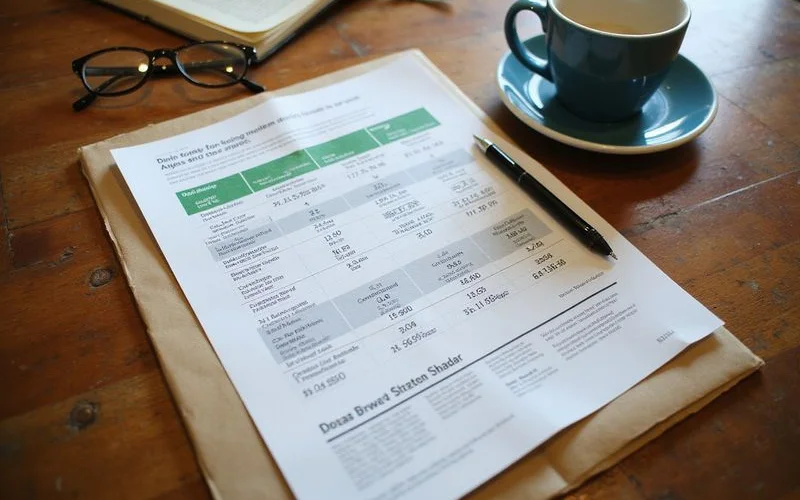
What do these numbers mean for sellers?
Our current market data indicates sellers hold a distinct advantage right now. Buyers are actively competing for limited inventory across the city. We notice that accurate day-one pricing remains the most critical factor for a fast sale. The latest statistics show a clear path for homeowners aiming to maximize returns.
Prices show healthy, sustainable growth
We view the 5.0% year-over-year price gain as a sign of a stable, sustainable market. Checking the duluth home prices 2026 data reveals the duluth median home price reached nearly $310,000, which rewards sellers who base their expectations on recent neighborhood sales. Our clients succeed by ignoring national headlines and focusing entirely on local, comparable properties. Overpricing based on last year’s frenzy often leads to stagnant listings.
Homes are moving at record speeds
Our tracking shows a median time on market of just 15 days, though some recent Zillow metrics show properties going pending in as little as 8 days. This sharp drop from 28 days a year earlier proves that qualified buyers are constantly monitoring new listings. We see the vast majority of prospective buyers touring a fresh property within its first week on the market. That initial burst of foot traffic dictates the final outcome.
Competition drives strong offers
We find the 100.4% sale-to-list ratio incredibly encouraging for owners of well-kept older homes. Recent Zillow data from July 2026 confirms that 49.7% of local sales closed above the original list price due to specific buyer demands:
- Move-in Readiness: Buyers willingly pay a premium to avoid immediate renovations.
- Modern Systems: Updated plumbing and electrical work generate higher competing bids.
Our team uses these figures to justify strategic upgrades before listing. Properties needing extensive foundational repairs will still face tough negotiations.
Inventory volume is increasing
Our analysis of the 393 sales over a three-month period reveals a 23.9% jump in volume. More inventory successfully changed hands, which means buyers simply have more options to compare against your property.
The fall 2026 caveat
Fall 2026 has more competing listings than any recent fall. When buyers have more choices, day-one pricing and presentation matter even more.
Why is Duluth short on homes?
Our city currently lacks enough affordable housing because rising construction costs prevent developers from building entry-level options. The geography of the hillside and expensive labor make creating new neighborhoods highly restrictive. We look closely at the 2025 Maxfield housing study, which projects a massive demand for 8,713 units through 2035 alongside a tiny 1.8% rental vacancy rate. A severe deficit exists for properties priced under $300,000.
Our research into 2026 building costs shows custom builds frequently run between $250 and $500 per square foot. The median price for a new single-family home already hit $529,450 back in 2024, pricing out many working families entirely.
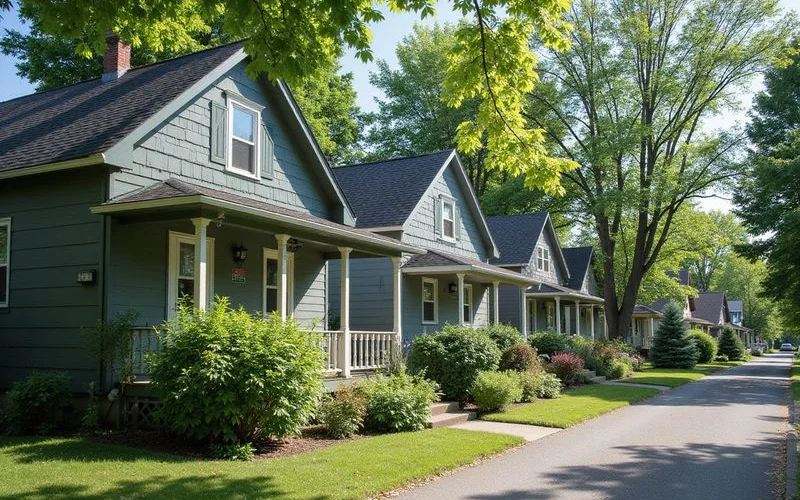
We know this inventory shortage presents a massive advantage for anyone selling a modest, well-maintained house. First-time buyers and growing families find themselves competing fiercely for the exact same pool of properties. Our most active buyers target specific neighborhoods to find these elusive price points:
- Lincoln Park: Growing popularity due to new commercial development.
- West Duluth: Offers classic architecture with strong community roots.
- Morgan Park: Features solid historic homes built during the steel plant era.
What makes Duluth’s housing stock different?
Buyers admire the historic architecture across the city, but they also approach these older structures with deep caution. We note that 43% of homes here were constructed before 1940, compared to just 29% across the rest of St. Louis County. Another 30% were built between 1950 and 1979, requiring updates to basic systems.
Our team advises sellers to prepare for rigorous buyer inspections regarding foundations, knob-and-tube wiring, and drainage. The city mandates a specific Point of Sale inspection before you can legally transfer ownership. We guide clients through this process, which targets clean water Inflow and Infiltration (I/I) entering the sanitary sewer collection system. Failing clay or cast iron lines often require costly replacements, sometimes ranging from $5,000 to $30,000.
Our local government offers financial assistance grants to help offset these mandatory compliance costs.
- Working Sump Pumps: Grants cover up to $1,400 for proper installation.
- House Trap Removal: Homeowners can receive a $350 reimbursement.
- Point of Sale Inspection Fee: A $220 credit helps cover the initial assessment cost.
Properties hitting the market with clean sewer certificates usually sell faster and closer to the original asking price. We find that addressing these known local hurdles upfront eliminates a buyer’s biggest negotiating tool.
Who’s buying in Duluth?
Healthcare professionals, university staff, and remote workers seeking a better lifestyle primarily make up the current buyer pool. We track the local demographics closely, noting an estimated population of 88,330 residents as of July 2025. The city maintains a strong 59.4% owner-occupied rate and a median household income of $68,807 according to Census QuickFacts.
Our network connects directly with incoming residents hired by the area’s largest economic drivers. These massive organizations stabilize the local economy and create a continuous need for housing:
- Essentia Health: The city’s largest employer, which announced a planned merger with HealthPartners on September 29, 2026 (MPR).
- Aspirus St. Luke’s: A major medical center drawing specialized staff alongside the University of Minnesota Duluth and St. Louis County.
- ALLETE / Minnesota Power: Industrial and tech leaders, including Cirrus Aircraft, the College of St. Scholastica, and the active port authority.
We also assist many downsizers and local move-up families who make up a substantial portion of the remaining buyer pool. Investors looking for properties near the college campuses represent another active segment driving demand.
Is now a good time to sell in Duluth?
Our data confirms that for many properties, yes, right now is an exceptional window of opportunity. The combination of rising prices and limited local inventory, which recently hovered around just 181 active homes, creates immense leverage for sellers. We hear clients frequently ask, is now a good time to sell in duluth? The answer depends entirely on your specific home condition and timeline.
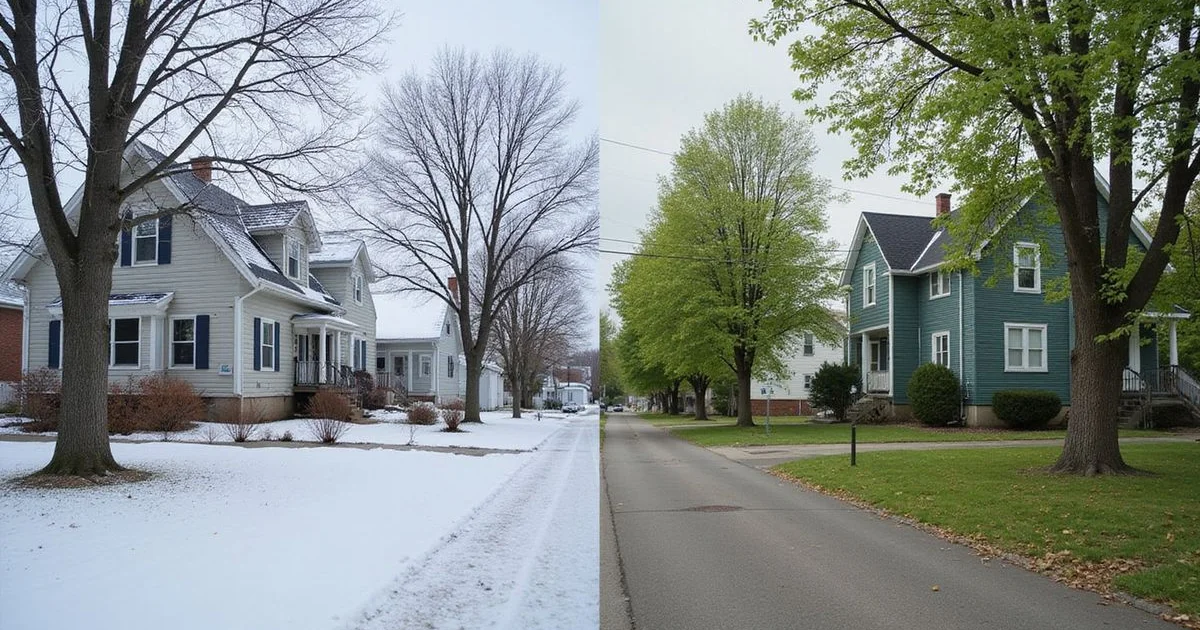
Our experience shows that timing your listing correctly requires evaluating a few seasonal variables. The calendar year dictates distinct buyer behaviors across the North Shore:
- Spring and Summer: Brings the highest volume of eager buyers and multiple offer scenarios.
- Fall and Winter: Sees fewer showings, but attracts highly motivated buyers ready to close quickly.
We created a comprehensive best time to sell in Duluth guide to walk you through that exact decision. A simple coat of paint or fixing a minor structural issue can drastically change your ideal listing timeline.
How is this report updated?
Our team updates these statistics monthly whenever fresh figures become available from credible sources. Every metric displayed above includes its specific time period and source for complete transparency.
We know that real estate dynamics shift rapidly from season to season.
Broad statistics provide a great starting point for understanding the duluth housing market, but they cannot replace a personalized property assessment. Our recommendation is to always request a current Comparative Market Analysis (CMA) before making any final choices.
Local experts can apply these citywide trends directly to your unique property features. We invite you to reach out today to schedule an initial property walkthrough.
A brief consultation will give you the concrete facts needed to claim your full market value.
This guide is general information about selling a home in Duluth and Minnesota. It is not legal or tax advice. Rules and fees change, so confirm details with the City of Duluth, your county, your title company, an attorney or a tax professional as needed.