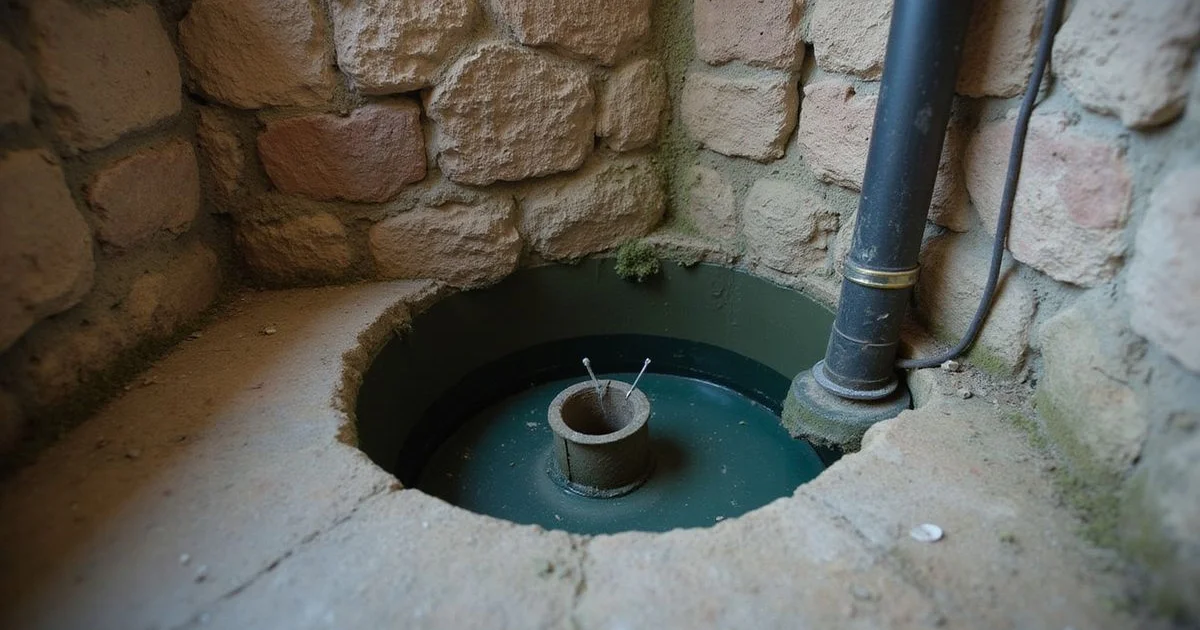
You already know that selling a historic home involves extra paperwork. The City of Duluth mandates a specific building sewer inspection to ensure clear water stays out of the sanitary sewer system.
We call this the I&I inspection, which stands for Inflow and Infiltration. Clean water overloading the Western Lake Superior Sanitary District (WLSSD) treatment plant causes massive backups and environmental issues.
Planning for this step is a core part of our prep-and-list plan. Handled incorrectly, this requirement can easily become the slowest part of your entire transaction.
Let’s look at the exact city rules and explore practical ways to get your property compliant without delaying your closing.
What is the Duluth sewer inspection at sale?
The Duluth sewer inspection at sale is a mandatory compliance check required by Duluth City Code 43-33.4 before you can transfer a property. It identifies whether clean groundwater or rainwater is illegally draining into the city’s sanitary sewer infrastructure.
The WLSSD treatment facility normally processes about 36 to 48 million gallons of wastewater daily. During heavy rainstorms, clear water infiltration pushes that volume past 100 million gallons, forcing untreated sewage into the St. Louis River and Lake Superior.
We see this clearly when basements flood in older neighborhoods. Fixing the problem at the individual property level is the city’s primary defense, so confirm current details and fees with the City of Duluth before you list.
What does the inspection check?
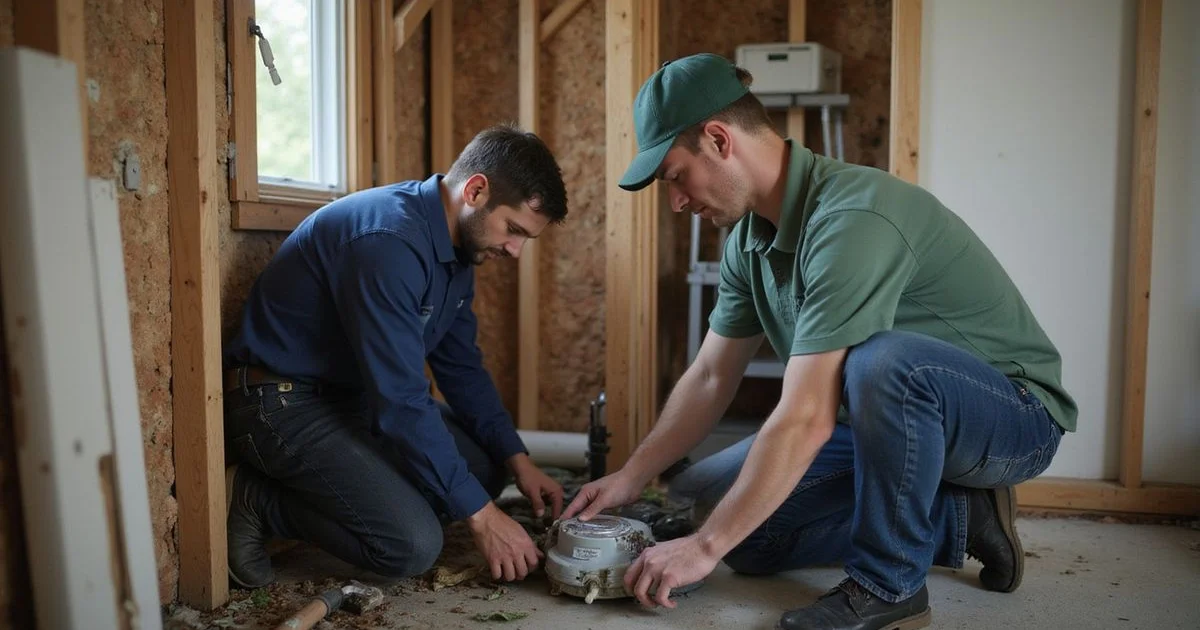
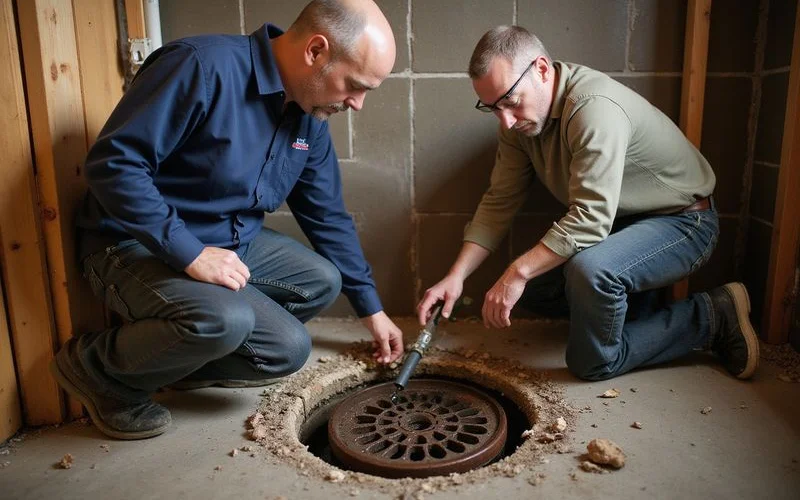
The inspection primarily checks your basement for unapproved clean-water connections to the sanitary sewer line. The city inspector specifically looks at your sump pump, the house trap, and your footing drains.
A proper sump pump must discharge out into your yard or a designated storm sewer. Old cast-iron U-shaped house traps restrict flow and are notorious for causing major mainline blockages.
Inspectors will also check your exterior gutters to ensure roof drains do not tie into the underground sanitary pipes.
- A sump pump, if required. Homes with footing drains need a working sump pump that sends groundwater outside, not into the sewer.
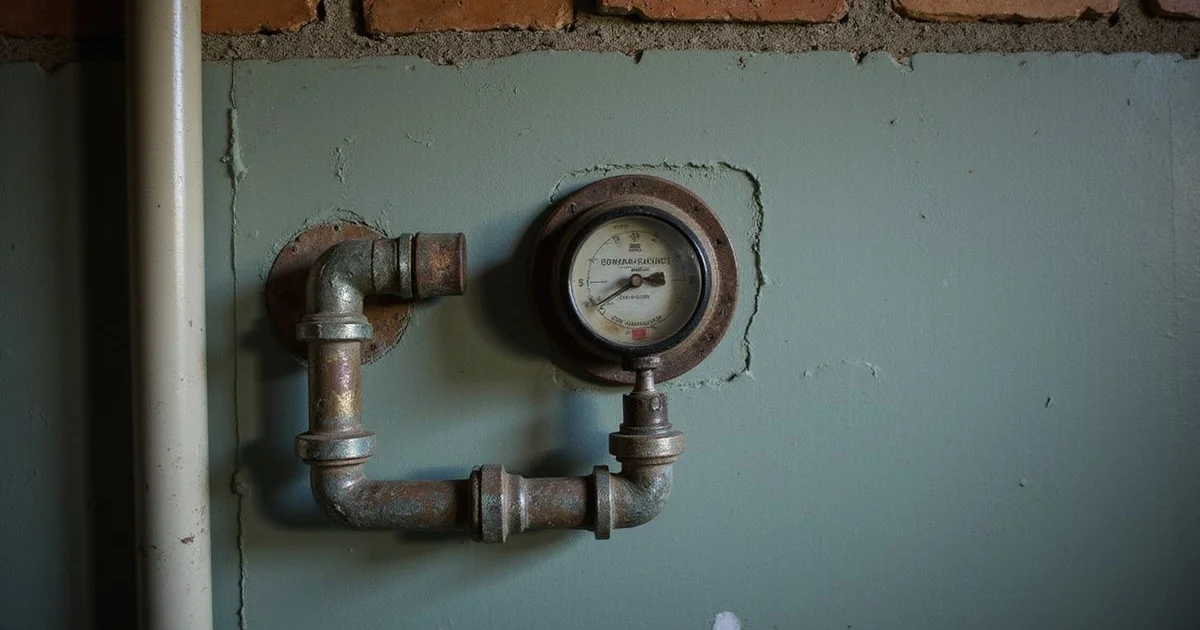
- Removal of the sewer trap. Many older homes have an old house trap (often called a “running trap”) in the basement floor. The city requires it to be removed.
- Disconnected footing drains. Drain tile around the foundation must not connect to the sanitary sewer.
When does it have to happen?
You must arrange the Duluth I&I inspection the moment an offer is accepted, or at least 30 days before the official transfer date. Booking this appointment earlier is a much smarter strategy.
Wait times for a city inspector can stretch to two weeks during the busy spring real estate market. We highly recommend calling the Public Works & Utilities office the exact same week your listing goes live.
| Step | Rule | What it means for you |
|---|---|---|
| Inspection | At accepted offer or 30+ days before transfer | Book it when you list |
| Repairs | Due within 90 days | Get quotes as soon as you know |
| Certificate | Covers sales within one year | One inspection can cover a later sale |
| Closing | A copy is required | Title company will ask for it |
Why book it when you list?
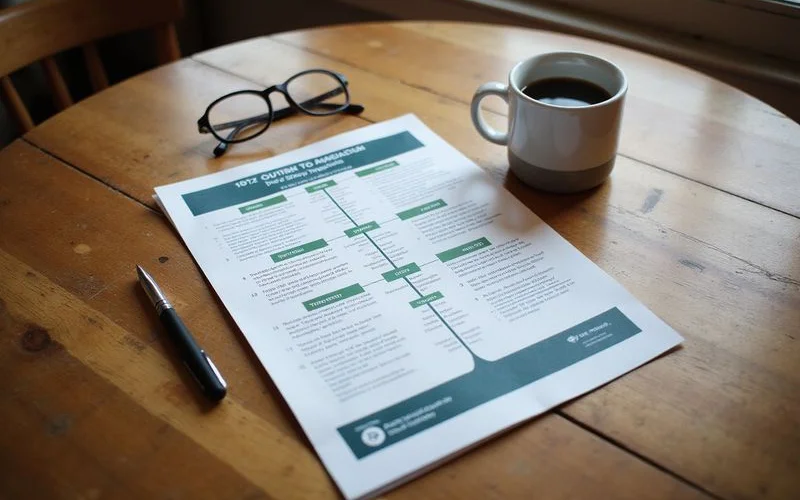
Booking the inspection when you list prevents you from negotiating repairs under a strict buyer deadline. A passing grade gives you a certificate immediately, which helps buyers feel completely confident in making an offer.
If the property fails, you will need time to source contractor bids from approved local plumbers. The City of Duluth currently offers homeowners grants of up to $2,150 for qualifying I&I work.
You might also qualify for zero percent deferred loans for replacing the actual sewer lateral line. Having time to apply for these funds saves you money and stress.
You give yourself time to:
- Get two or three reliable contractor quotes.
- Apply for the specific city grants for qualifying work.
- Schedule the required plumbing jobs without paying rush fees.
- Decide with your buyer whether repairs happen before closing or are handled via escrow.
Sellers who wait until they have an accepted offer often concede large credits at the closing table just to keep the deal alive. That is why our team schedules this evaluation the exact same week we list the property.
Older homes, higher odds
43% of Duluth homes were built before 1940 (Maxfield study, 2025). Older homes are more likely to have footing drain connections or an old house trap. If yours is one of them, assume work is possible and plan for it.
What happens if my home fails?
If your home fails, you will receive a formal correction notice detailing the required plumbing updates. You then have exactly 90 days to complete these specific repairs.
Missing this strict window triggers a severe financial penalty. Comfort Systems will add a $250 monthly surcharge directly to your utility bill until the property passes compliance.
Common required fixes include:
- Installing a dedicated sump pump and exterior discharge line.
- Breaking the concrete floor to remove the cast-iron house trap.
- Disconnecting foundation footing drains from the sanitary lateral.
- Redirecting exterior downspouts away from the sewer vent.
Repair costs vary drastically based on the specific layout of your basement. Our what a failed Duluth sewer inspection costs guide breaks down typical contractor pricing, grant applications, and escrow holdback options for closing.
How much does the inspection cost?
The standard point of sale inspection fee is $115, according to the recent Duluth administrative fee schedule. This covers the city inspector examining your basement and issuing the official paperwork.
If a brand new sump pump installation is required as part of a larger permit, inspection fees can sometimes increase to around $205.
We always include this initial base fee on your seller net sheet so you know exactly what to expect. Always check the official city website or call the Utility Operations division at 218-730-4130 to confirm exact pricing for the current year.
Does it apply to every sale?
Yes, this rule applies to almost every property transfer within Duluth city limits. The city strictly mandates this evaluation for:
- Standard residential listings.
- Cash buyer investments.
- Estate liquidations.
- Rental property transfers.
Even if a cash investor agrees to take on the required repairs, the actual inspection and a signed compliance waiver must still be filed with the city.
This specific inflow and infiltration mandate is strictly a City of Duluth regulation. Neighboring communities like Hermantown, Proctor, and Rice Lake enforce completely different local utility protocols.
Rural properties on private septic systems must pass separate St. Louis County subsurface sewage rules before a transfer happens.
Can the certificate be reused?
Yes, a passed Duluth point of sale sewer certificate remains valid for one full year from the date it is issued. You can reuse the exact same document for a new buyer if your original transaction falls apart.
This one-year window provides excellent protection in a shifting real estate market. If you lined your entire sewer lateral or did major replacement work, certain waivers can sometimes extend compliance for up to 10 years.
We advise keeping the original physical copy in a safe place. You should always verify your document status with the Public Works department if months have passed between purchase agreements.
A quick checklist
A systematic approach makes this requirement incredibly simple to manage. Follow these steps to ensure a smooth, penalty-free process.
- Book the inspection appointment the exact same week you list the house.
- Clear out storage boxes around the basement floor drain, sump pit, and cleanouts.
- If the inspector flags issues, immediately call contractors for quotes and ask the city about the $2,150 grant.
- Keep all plumbing receipts, paid invoices, and the final compliance certificate.
- Provide a copy of the final certificate to the title company well before closing day.
Handled early, the Duluth sewer inspection selling house requirement is just one more box checked on your way to closing. Handled late, it can delay the transfer of keys and cost you leverage.
The only real difference is your timing. Call us today if you need help scheduling your property evaluation.
This guide is general information about selling a home in Duluth and Minnesota. It is not legal or tax advice. Rules and fees change, so confirm details with the City of Duluth, your county, your title company, an attorney or a tax professional as needed.