How do you clean out a family home before selling it?
As a professional service team, we understand how overwhelming an estate cleanout feels when you are staring at a house full of a lifetime’s belongings. Preparing an older home for the market involves more than just a quick sweep, especially in a place like Duluth where historic properties have hidden quirks.
We have found that sorting through an estate is physically and emotionally demanding work. The process can stall your listing timeline if you do not have a clear strategy.
We are going to break down the exact timeline you should expect and the most practical ways to handle the cleanout.
This guide will help you understand the process, and you can see exactly how inherited and estate home sales help families protect their property’s final market value.
Step 1: Secure important papers and valuables
Before anyone starts tossing items into a dumpster, you must secure the legal and financial foundation of the estate. We strongly recommend implementing a strict “Trash Rule” right away. You should box up all random papers to review in a quiet, well-lit room later, rather than shredding anything on site. We have seen families accidentally throw away valuable stock certificates or uncashed bonds because they looked like junk mail.
Before anything leaves the house, look for:
- Wills, trusts, deeds, and vehicle titles
- Bank, investment, and insurance statements
- Tax returns and recent bills
- Keys, safe combinations, and passwords
- Jewelry, cash, and collectibles
- Photos, letters, and family records
People hide valuables in incredibly creative places to protect them from theft. Our agents always check the pockets of coats in closets, flip over armchairs to check inside the bottom dust covers, and thumb through thick books or Bibles. Professional liquidators report finding hidden cash, jewelry, or critical documents in roughly 40% of properties.
Step 2: Let family choose
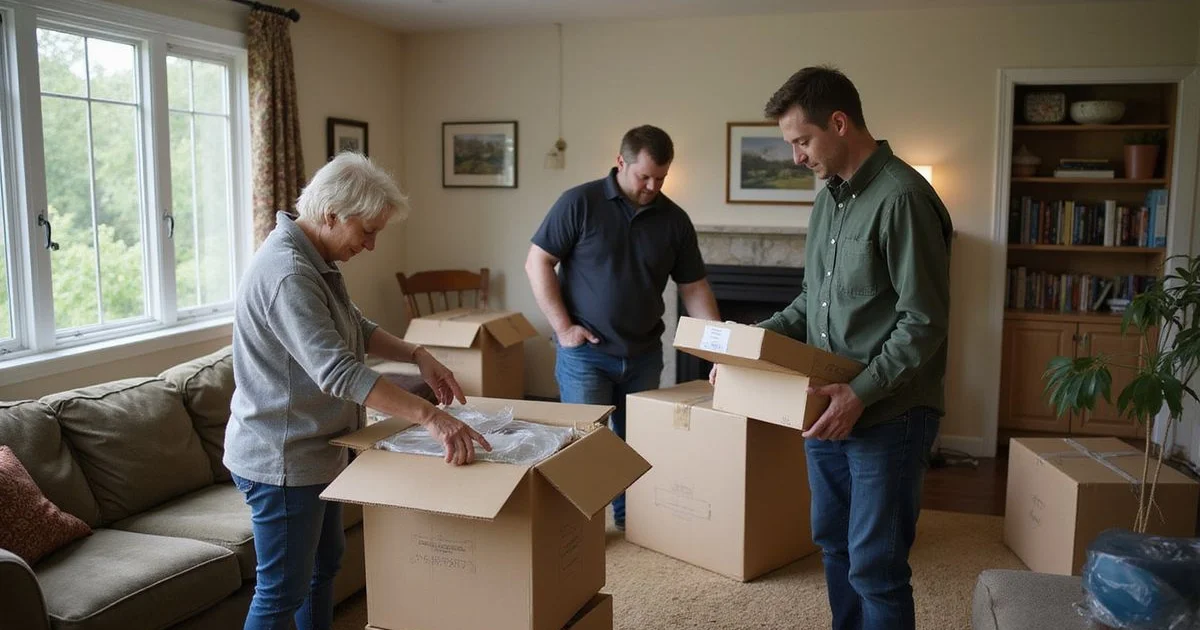
We always advise families to secure written authorization from the estate executor before allowing anyone to remove items from the home. Skipping this step can lead to legal penalties or bitter family disputes. Our preferred method is creating a clear window of time for heirs to claim items, complete with a firm end date. A simple sign-up sheet or a shared digital photo album works perfectly for relatives who live out of state.
We suggest using a simple lottery system or an independent appraiser to handle items that multiple people want. The National Association of Senior Move Managers notes that families can spend 200 to 400 hours clearing a home without professional help. Our approach prevents those arguments from dragging out the cleanout timeline.
Step 3: Decide on an estate sale, donation or both
Liquidating the remaining contents usually requires a mix of selling, donating, and hauling away the rest. We see many families jump straight to an estate sale, but the financial math does not always make sense. National data from 2026 shows that the average estate sale company charges a 35% to 40% commission on gross sales. Our clients are often surprised by extra fees layered on for setup, marketing, and final cleanout.
- Estate sale: A professional company prices and sells the contents over a weekend. We recommend this route when the home is filled with high-value antiques, tools, or extensive collections.
- Donation: Local charities can pick up usable furniture and household goods. Our local team suggests checking with the Habitat for Humanity ReStore for building materials or Savers in Duluth for clothing. You should keep your receipts and ask your tax professional whether they matter for the estate’s tax return.
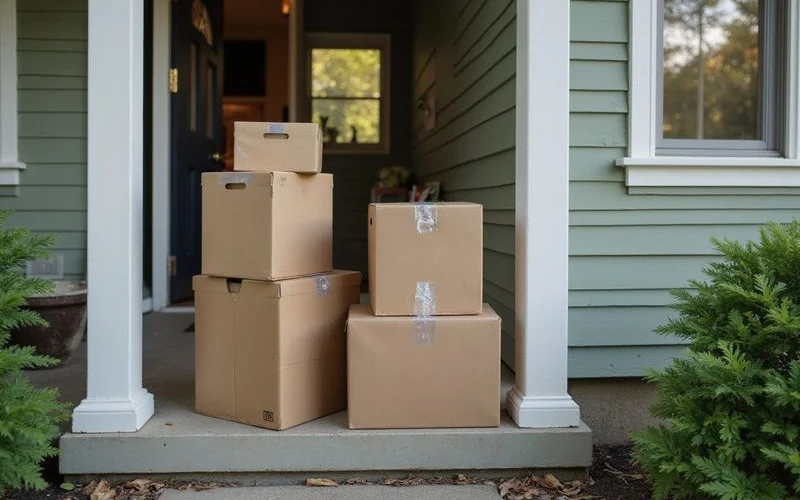
- Haul-away: Junk removal crews take whatever is left over. We rely on these services for quick disposal, as their pricing is usually based on the volume of debris that fills their truck.
| Disposal Option | Best Suited For | Typical Timeline | Expected Costs or Fees |
|---|---|---|---|
| Estate Sale | High-value items, large collections | 3 to 4 weeks for prep and sale | 35% to 40% of gross sales |
| Donation | Usable furniture, clothes, basic goods | Pickups scheduled 1 to 2 weeks out | Free, possible tax deduction |
| Haul-Away | Damaged items, general debris | Often scheduled within 2 to 4 days | Priced by truck volume |
Step 4: Deep clean
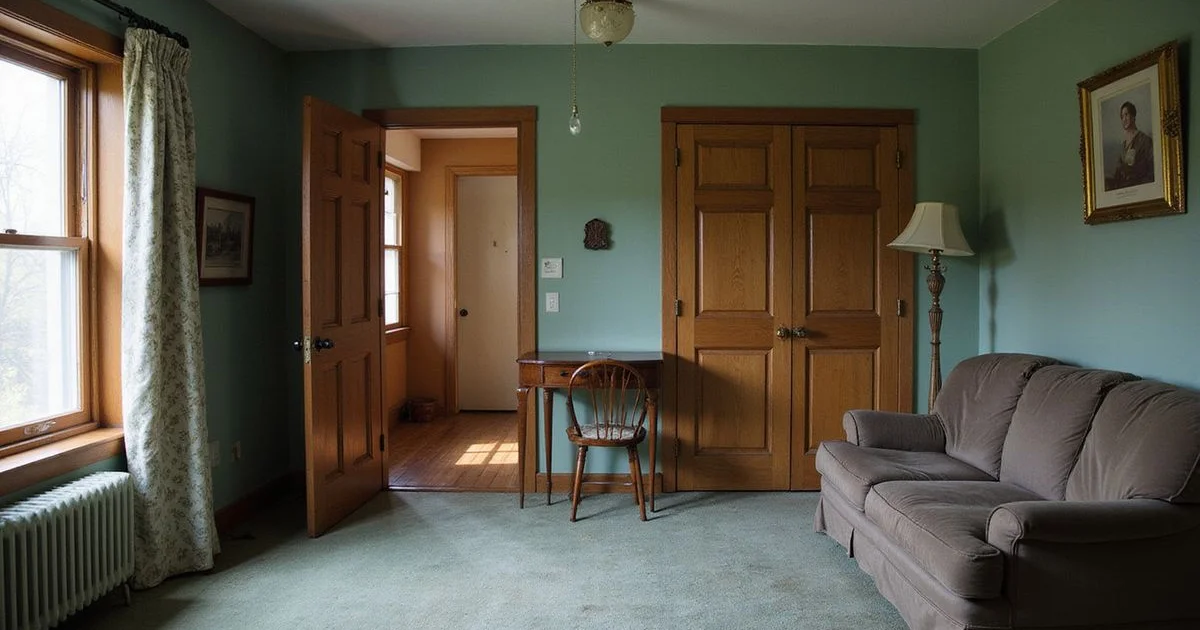
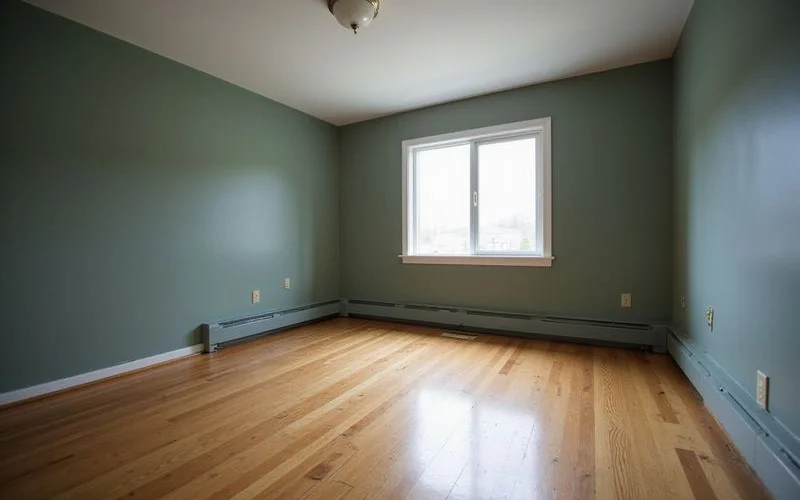
Once the home is completely empty, a professional deep clean makes a massive difference in how buyers perceive the property. We have seen that professionally cleaned and prepared estate properties sell up to 32% faster than homes cleared out by families alone. Buyers notice every single flaw when they walk through an empty house. Our cleaning checklists always prioritize scrubbing the baseboards, washing windows inside and out, and degreasing the kitchen cabinets.
You can expect to spend around $360 for a standard move-out cleaning service. We also suggest investing in touch-up paint, because empty rooms highlight every scuff mark and nail hole on the walls.
How long does it take?
A full estate cleanout generally runs three to six weeks from start to finish once you account for sorting, appraisals, and donations. We tell clients to mentally prepare for the process to take longer than a standard weekend project.
- A lightly furnished home: a few days to a week
- A full family home: two to four weeks, especially with an estate sale
- A heavily filled home: longer, sometimes in stages
Winter weather adds major challenges in Duluth. Our schedule always accounts for snow removal, keeping the heat on to prevent frozen pipes, and ensuring safe walkway access for moving crews.
What can be left for as-is buyers?
Some buyers will happily accept a home with all the contents left behind, but this convenience comes at a steep price. We find that real estate investors and house flippers make up the majority of this specific buyer pool. These buyers typically calculate offers using the 70% rule, meaning they will pay no more than 70% of the home’s repaired value minus the cost of renovations.
Our data shows that leaving the cleanout to the buyer can reduce your final sale price by 10% to 30% depending on the severity of the clutter. This route saves you weeks of physical labor, but it will certainly lower the final offers you receive. We created a detailed guide on selling as-is so you can see exactly how that process works.
A gentler pace
There is no rule that says it all has to happen in one weekend. Many families clear the house in stages, starting with papers and keepsakes, then the rest. The listing can wait until you are ready.
Can it be done from out of state?
Yes, you can absolutely manage this process remotely. We routinely coordinate full cleanouts for families living across the country. Local contractors can handle estate sales, donation pickups, junk removal, and professional cleaning on your behalf. Our team lets these vendors in with a secure lockbox and ensures the work meets specific quality standards.
You will stay fully informed through regular video walkthroughs and photo updates at every major milestone. We make sure the physical work actually happens while you make the final decisions from afar. The rest of the sale can run the same way; see selling an estate home from out of state.
What comes next?
Once the house is completely clear, finishing up a short repair list ensures the property is market-ready. Our next step is booking the required Duluth sewer inspection if the home is located within the city limits.
Professional real estate photography comes right after that. We find that most estate homes look vastly different and much larger once they are empty and sparkling clean.
If you are ready to prepare a property for the market, contact a professional to discuss your timeline today.
This guide is general information about selling a home in Duluth and Minnesota. It is not legal or tax advice. Rules and fees change, so confirm details with the City of Duluth, your county, your title company, an attorney or a tax professional as needed.