What’s involved in selling a house FSBO in Minnesota?
We know exactly how tough it is to correctly price an older Duluth property. Trying to sell “for sale by owner minnesota” style means taking on every job an agent usually handles.
This approach saves real money for some homeowners, while others find the sheer workload and limited buyer pool simply cost too much. Our team suggests looking at the hard data, examining the hidden risks, and walking through the specific tasks required.
This honest breakdown will help you compare your options clearly on the cash offer vs. listing page.

1. Pricing without MLS comps
We often see Duluth sellers rely on St. Louis County property tax assessments to price their homes. This mistake frequently costs them thousands of dollars.
The county’s Estimated Market Value (EMV) is typically lower than actual market value, especially for properties in tightly constrained neighborhoods like East End or Congdon. Our market research shows that in 2026, the median sold price for a Duluth home reached roughly $310,000.
Pricing accurately requires hard data from recent, closed sales.
- Order a pre-listing appraisal for a flat fee.
- Study recent sales carefully and adjust honestly for condition, size, and lake views.
- Ask an agent for a CMA (many will provide one).
2. Disclosures
Our experts cannot overstate the importance of getting your legal paperwork right. Minnesota law (Minn. Stat. 513.55) requires you to disclose all known material facts in writing before signing a purchase agreement.
Older Duluth homes carry specific requirements that you cannot waive.
- Lead-Based Paint: Required federally for homes built before 1978.
- Radon Testing: Minnesota has some of the highest radon levels in the country, making known test results a mandatory disclosure.
- Well and Septic: Strict rules apply if your property is not connected to city services.
- 2026 FinCEN Rule: A new federal requirement starting March 1, 2026, mandates reporting non-financed, all-cash transfers involving LLCs or trusts.
See Minnesota seller disclosure rules.
3. The Duluth sewer inspection
We remind every local seller about the strict requirements of City Code 43-33.4. Every Duluth sale requires a Point of Sale building sewer inspection to check for inflow and infiltration (I/I) problems.
Non-compliant properties face a steep $250 monthly surcharge after a 90-day window. Our advice is to schedule this inspection as soon as you accept an offer, or at least 30 days before the title transfer.
You must handle any necessary repairs within 90 days and bring the compliance certificate directly to closing.
Financial Help is Available The City of Duluth offers an I/I lateral grant to help cover repair costs. You can receive up to $4,000 for mandated private lateral replacements or up to $2,150 for sump pump installations.
4. Marketing and online exposure
We know that skipping the Multiple Listing Service (MLS) severely limits your buyer pool. Without MLS exposure, your home will not appear in agents’ internal searches or feed out to major real estate websites.
Homeowners choosing to sell house without realtor minnesota typically rely on a mix of free tools and paid services to generate interest. Our top recommendation is to invest in a flat-fee MLS service.
Companies like Brokerless or Houzeo charge between $99 and $499 for a six-month listing in Minnesota, keeping you visible on major platforms.
Common marketing methods include:
- Zillow’s owner listings
- Facebook Marketplace and local neighborhood groups
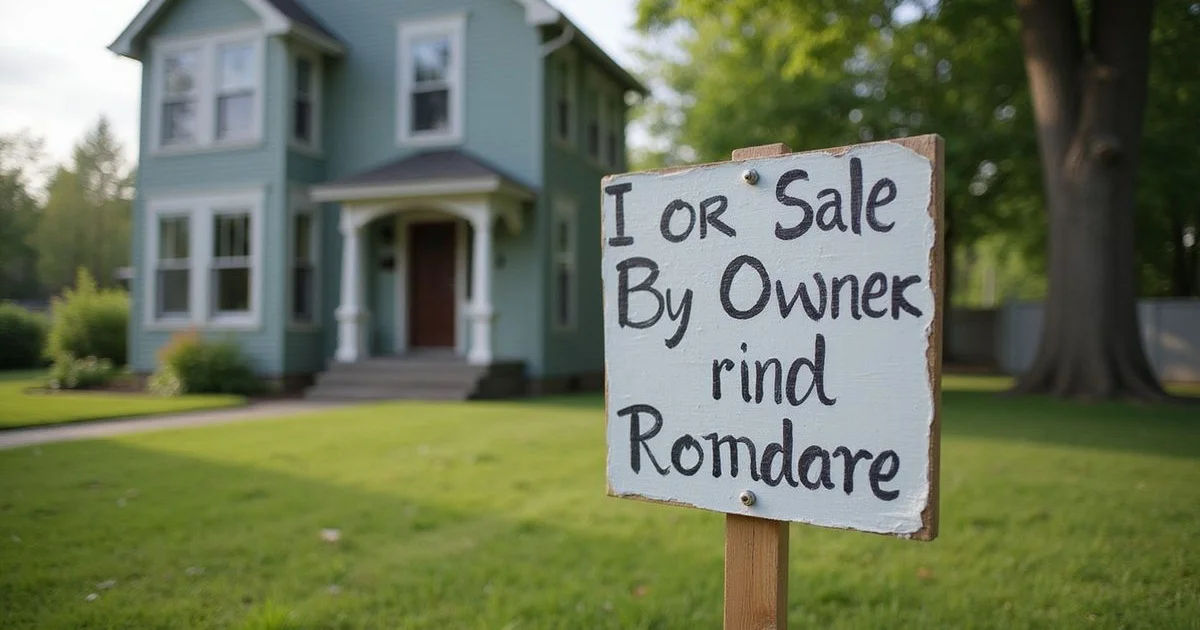
- A physical yard sign and printed flyers
- Flat-fee MLS listings for maximum reach
5. Showings and buyer screening
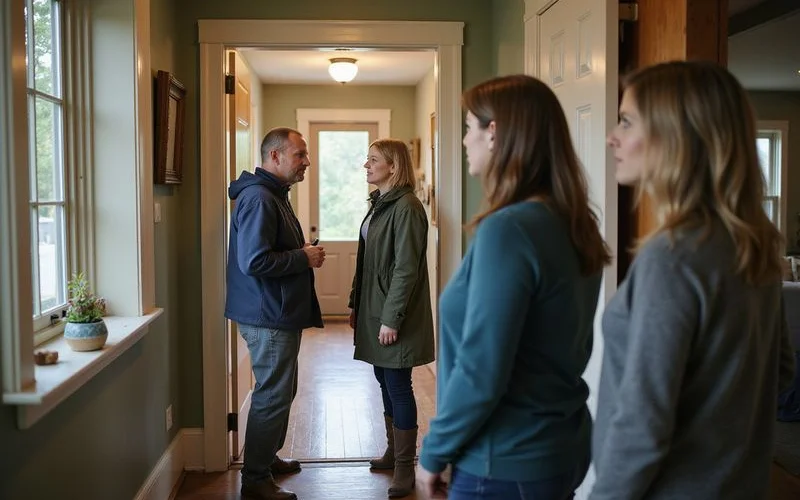
We strongly suggest implementing a strict screening process before letting strangers into your house. You will handle all incoming calls, schedule every showing, and evaluate potential buyers yourself.
A common trap is accepting a simple “pre-qualification” letter, which is just a soft credit check. Our team always demands a verified “pre-approval” letter instead.
This document proves a lender has reviewed their recent W-2s and tax returns, ensuring you only spend time on fully capable buyers.
Key items to request from buyers:
- A formal pre-approval letter (not just pre-qualification)
- Proof of funds for the down payment
- A clear timeline for their preferred closing date
6. Buyer’s agents
We tell all sellers to prepare a clear strategy for handling buyer agent compensation. Following the August 2024 National Association of Realtors (NAR) settlement, offers of compensation are no longer published on the MLS.
Buyers in 2026 must sign a written representation agreement before touring homes, which outlines exactly what their agent charges. Our observation is that many sellers still choose to offer a 2% to 3% concession to cover this fee.
This tactic keeps your property competitive in a tight market, especially for first-time buyers who cannot pay their agent out of pocket.
Options for handling buyer agent fees:
- Offer a competitive percentage (e.g., 2% to 3%)
- Offer a flat dollar amount as a concession
- Require the buyer to pay their agent entirely out of pocket
7. The purchase agreement and negotiation
We always urge sellers to hire a real estate attorney to draft or review the Minnesota purchase agreement. This massive document controls the final price, the closing date, and what appliances stay with the house.
Earnest money in Minnesota typically runs between 1% and 3% of the purchase price to secure the contract. Our experience shows that the inspection contingency is where most deals fall apart.
Buyers usually have 5 to 10 days to examine the property and request repairs, which quickly becomes an emotional negotiation on an older home.
What FSBO sellers often underestimate Not the paperwork, but the negotiation. Inspection requests on an older home can be emotional. Having a plan and a bottom line before you list helps.
8. Closing
We view the final steps of your fsbo checklist as a tight timeline of deadlines that you must actively manage. You will need to choose a title company, coordinate the sewer certificate, provide mortgage payoff information, and finally hand over the keys.
Minnesota sellers face a unique expense called the State Deed Tax. Our state charges 0.33% of the final sale price, which translates to $1.65 for every $500.
On a $310,000 home, this tax alone adds up to $1,023.
Typical Minnesota seller closing costs (excluding agent commissions) include:
- State Deed Tax (0.33%)
- Title company settlement fees
- Prorated property taxes
- Owner’s title insurance (often paid by the seller in our region)
FSBO vs. other options
| Feature | FSBO | Flat-fee MLS | Full-service listing |
|---|---|---|---|
| Commission | None, unless you pay a buyer’s agent | Flat fee ($99-$499) | Negotiable (typically 5-6% total) |
| Pricing | You | You | Agent, with CMA |
| MLS exposure | No | Yes | Yes |
| Showings | You | You | Agent |
| Negotiation | You | You | Agent |
| Legal help | You hire it | You hire it | Agent plus your attorney as needed |
Is FSBO right for me?
We find that selling a house yourself can work well if you have prior experience, plenty of free time, and a deep understanding of your home’s true value. The process is significantly harder if you are dealing with an older home, an estate sale, or a tight deadline.
Run the exact numbers both ways to see your true net profit. Our team recommends creating a net sheet at the same sale price, with and without commission, to reveal exactly what you might save.
If you want full market value for your fsbo duluth property, compare all your options before putting a sign in the yard.
This guide is general information about selling a home in Duluth and Minnesota. It is not legal or tax advice. Rules and fees change, so confirm details with the City of Duluth, your county, your title company, an attorney or a tax professional as needed.