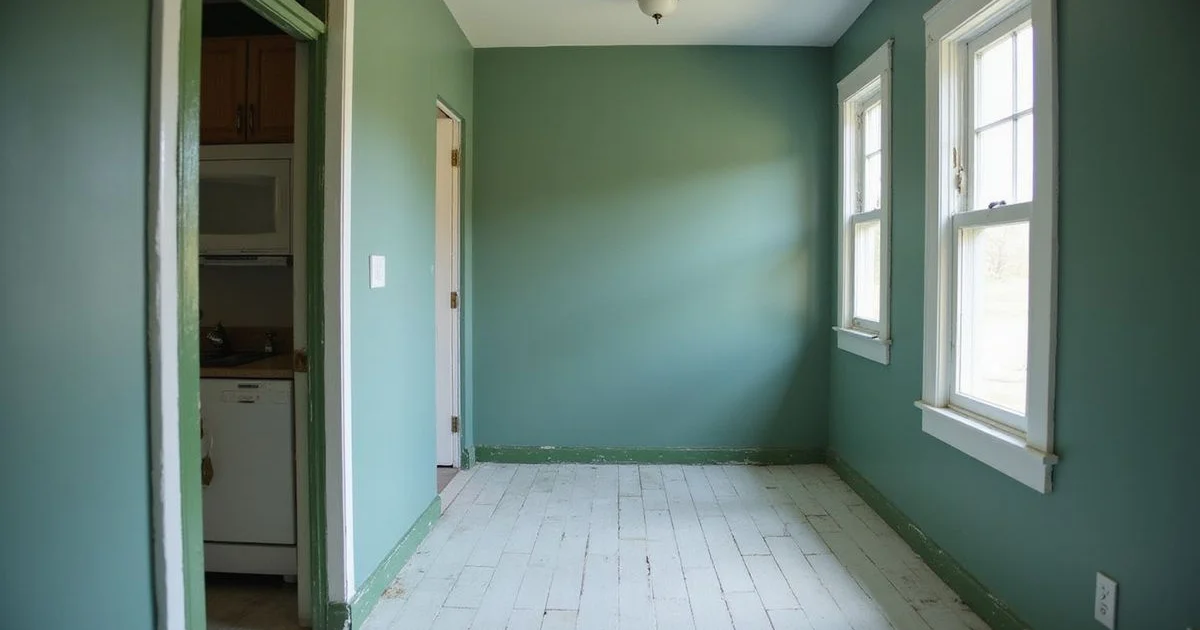
We constantly see owners of beautiful, historic properties stress over the exact question of what repairs to make before selling a house.
Over-improving is a common trap that eats directly into your final profit. Our approach sorts every potential project into three simple categories of do, price in, or skip.
This framework is the foundation of the prep-and-list plan that keeps sellers from wasting cash. We will break down exactly how to evaluate your property using current 2026 market data.
Current buyer expectations require a smart, practical strategy.

Bucket 1: Do before listing
You should fix any safety hazards, lender-required conditions, and cheap, high-impact flaws before listing. We consider these mandatory because they either remove financing obstacles or deliver a clear financial return.
A minor investment here prevents buyers from walking away during the appraisal phase. Our experience shows that government-backed loans have very strict standards for older properties.
Safety and Lender Requirements
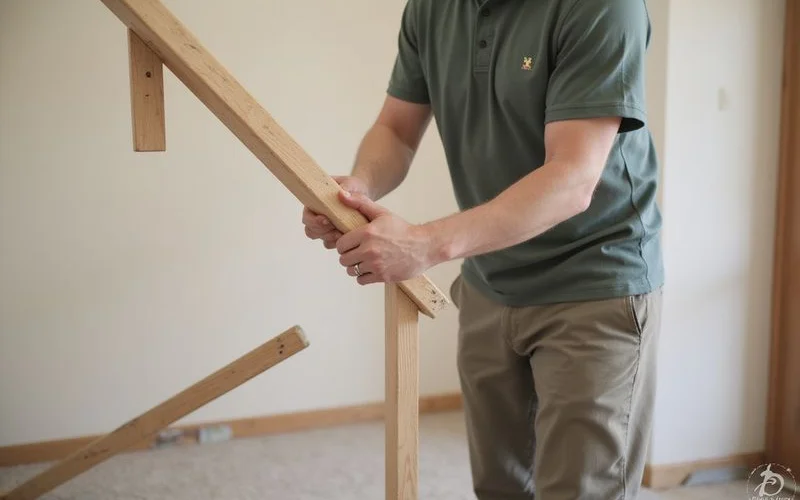
Missing handrails and peeling paint can instantly derail a transaction. We always check for these issues because FHA loan appraisal guidelines for 2026 treat any peeling paint on a pre-1978 home as a presumed lead-based health hazard.
FHA Handbook 4000.1 also requires secure handrails on any staircase with more than three steps. Our pre-listing walkthroughs prioritize fixing these safety hazards so conventional, VA, and FHA buyers can secure their financing.
Cheap, High-Impact Fixes
Cosmetic updates provide excellent returns when done strategically. We recommend focusing on minor improvements that cost between $15 and $40 per square foot based on 2026 national averages.
A fresh coat of neutral paint or updated light fixtures will dramatically improve your listing photos. Our list of mandatory cheap fixes includes several specific tasks.
- Paint dark, worn, or bold rooms a neutral color
- Replace burnt-out bulbs and dated light fixtures
- Fix dripping faucets and running toilets
- Extend downspouts and regrade soil away from the foundation
- Clean gutters and clear basement clutter
- Deep clean the entire house, including windows
Bucket 2: Price in
You should price in major systems that are fully functional but visibly dated or nearing the end of their lifespan. We advise against replacing these items out of pocket because doing so rarely returns the massive upfront cost.
Smart sellers secure two or three contractor estimates to share with potential buyers instead. Our strategy uses this transparency to build trust and prevent buyers from overestimating the cost of future work.
These are the most common scenarios where a price adjustment makes the most sense. We suggest applying this approach to the following property features.
- An older roof that isn’t leaking
- A dated but working kitchen or bathroom
- An older furnace or boiler near the end of its life
- Original windows in fair condition
- Remaining knob-and-tube wiring (depends on insurers)
- Worn but sound hardwood floors
The Math Behind Pricing In
A perfect example of this logic is the dilemma of worn hardwood floors. We know that professional hardwood floor refinishing costs an average of $3 to $8 per square foot in 2026.
Refinishing a 1,000-square-foot space could cost up to $8,000 without guaranteeing a proportionately higher sale price. Our data also shows that a mid-range bathroom renovation currently costs between $15,000 and $30,000.
Offering a price reduction is much safer than risking capital on a full remodel. We find that buyers often prefer a credit anyway so they can choose their own stain colors or tile designs.
Bucket 3: Skip
You should skip full remodels, expensive landscaping, and purely taste-based upgrades. We recommend avoiding these massive projects because they cost far more than they return.
Real estate market data from 2026 confirms that luxury kitchen upgrades rarely recoup their heavy $60,000-plus price tags. Our observation is that the next owner usually wants to choose their own premium finishes.
The question of what should I fix before selling always ends with skipping purely aesthetic upgrades. We always tell clients to skip these specific cash drains.
- Full kitchen or bathroom remodels
- New flooring throughout the entire house
- Adding rooms or finishing basements
- High-end landscaping and water features
- Upgrades to taste, like new countertops in a home that otherwise needs work
A sample list for an older Duluth home
This sample list demonstrates how to sort common issues found in older properties. We created this breakdown to show exactly how the three buckets apply in real life.
Using a table makes it easy to visualize the cost-versus-reward calculation for repairs before selling older home properties. Our goal is to give you a concrete, practical example of this sorting method in action.
| Item | Bucket | Rough reason |
|---|---|---|
| Missing basement stair handrail | Do | Safety, lender item |
| Downspouts at foundation | Do | Cheap, protects basement |
| Two rooms painted dark red | Do | Low cost, better photos |
| Dripping tub faucet | Do | Cheap, signals care |
| 17-year-old roof, no leaks | Price in | Expected; replacement rarely pays back |
| 1960s kitchen, working | Price in | Buyers want their own choice |
| Basement waterproofing system | Price in | Expensive; share a quote |
| Refinishing all floors | Skip | High cost if floors are sound |
Where does the Duluth sewer inspection fit?
The Duluth sewer inspection is a mandatory requirement that falls into its own special category. We put this inspection in a separate bucket because it is the most critical of all required pre listing repairs duluth enforces.
Duluth City Code 43-33.4 requires a building sewer inspection whenever a property changes hands. Our team advises booking this inspection the exact moment you decide to list your home.
Getting ahead of the curve provides extra time to source quotes if problems are found.
Managing Sewer Repair Costs
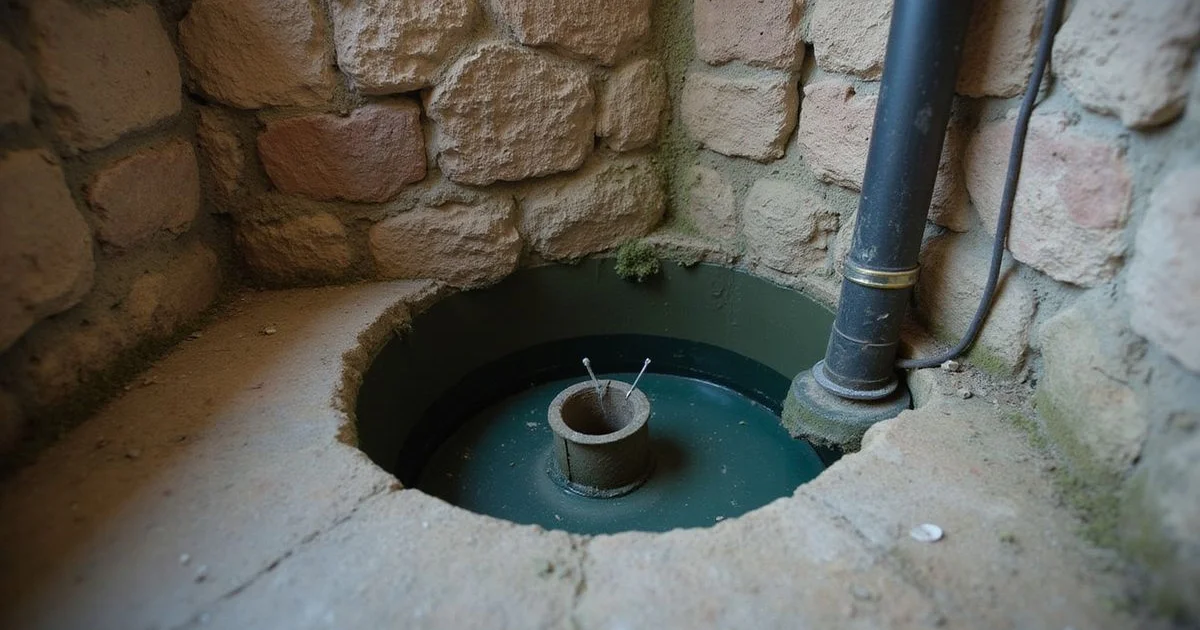
These inspections often find improper sump pump connections or disconnected footing drains. We see many older properties fail because these inflow and infiltration issues allow clean groundwater to overwhelm the municipal sanitary system.
All required repairs are legally due within 90 days of the inspection finding a fault. Our typical advice is to apply immediately for the city grants that offer up to $2,150 toward compliance.
You can read our detailed guide to see exactly what a failed Duluth sewer inspection costs.
The money rule
A repair is worth doing before listing if it costs less than the price reduction or credit buyers would ask for. It is also mandatory if it keeps buyers from walking away. Otherwise, price it in.
What about pre-listing inspections?
A professional pre-listing inspection provides clarity on what to fix, but it creates a legal disclosure obligation. We occasionally recommend this step for owners of historic homes who are worried about hidden structural defects.
The Disclosure Tradeoff
A standard inspection usually costs between $300 and $500 according to 2026 data from the American Society of Home Inspectors. Our primary warning is that anything uncovered during this professional audit becomes a material fact.
You must legally declare those findings to buyers on the Seller Property Disclosure Statement. We typically suggest doing a lighter walkthrough with your agent first to gauge obvious issues before hiring an inspector.
How do I avoid overspending?
You avoid overspending by securing multiple quotes, saving receipts, and ignoring projects that do not show up in photos or inspections. We protect your budget by insisting on a strategic walkthrough before a single contractor is called.
The smartest way to limit expenses is to let hard data drive your decisions. Our team knows that the Federal Housing Finance Agency requires appraisers to verify the actual cost of major property updates.
You must keep documentation to justify your asking price. We use this final checklist to ensure you only spend money where it actually protects your property value.
- Get the walkthrough before you call contractors
- Get two or three quotes for anything significant
- Focus on what buyers see in photos and what inspectors flag
- Keep every receipt for buyers and appraisers
The right list of repairs is almost always shorter than sellers originally expect. We always emphasize that the money you do not spend is equity you keep in your pocket.
Sticking to this system removes the emotion from deciding what repairs to make before selling a house. Our door is always open when you are ready to evaluate your own property and take the next step toward listing.
This guide is general information about selling a home in Duluth and Minnesota. It is not legal or tax advice. Rules and fees change, so confirm details with the City of Duluth, your county, your title company, an attorney or a tax professional as needed.