How do you master selling a historic home? Duluth East End
You know how the conversation usually goes for anyone selling a historic home. Duluth buyers expect authentic character, and you have to provide clear answers to hard questions.
Buyers shopping the East End today want original woodwork, expansive rooms, and a house with a documented story. Their inspectors strictly focus on the realities of aging foundations, old wiring, and modern drainage requirements.
The listings commanding the highest prices in 2026 showcase the charm while providing transparent answers about the mechanicals.
We use this specific dynamic to guide our entire approach. That crucial balance between highlighting history and proving reliability is exactly what a prep-and-list plan is built for.
Let’s examine the current market data, decode what buyers actually value, and outline a practical strategy to prepare your property.
What makes East End homes special?
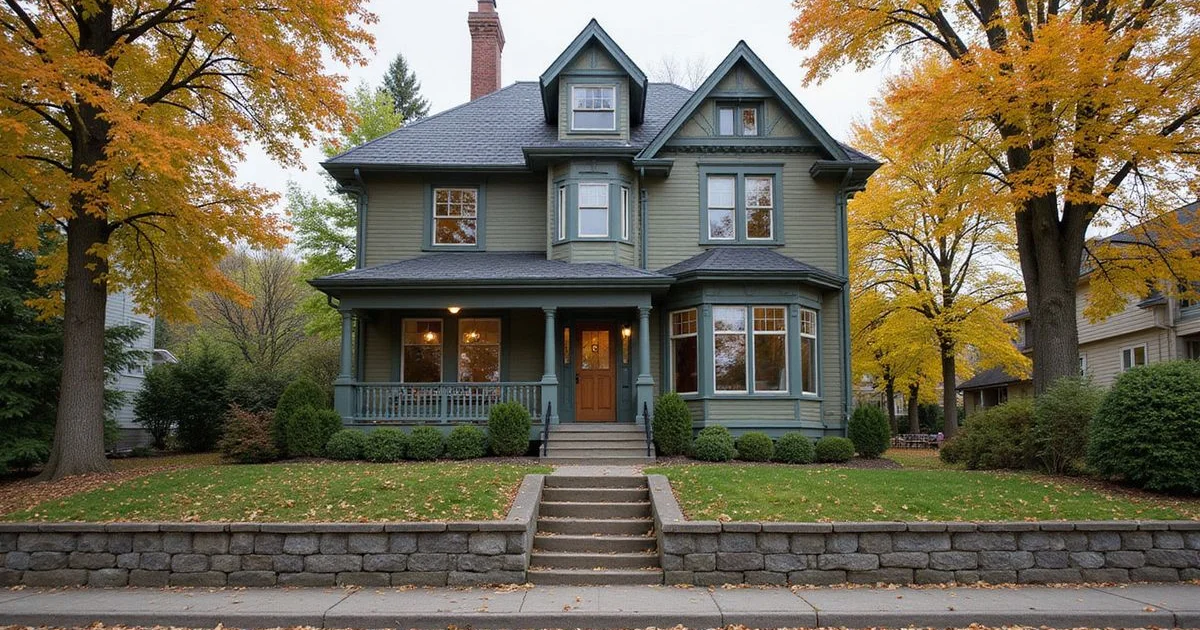
These properties represent one of the most distinctive collections of older homes in Minnesota. The City of Duluth’s comprehensive 2014 survey of the East End highlights structures built predominantly from the 1880s to the 1920s.
We appreciate the diverse architectural footprints found here, ranging from Queen Anne and Stick to Colonial Revival and Foursquare styles. Many of these houses sit on dramatic hillside lots blasted directly out of the bedrock.
A Foundation Built on Rock Massive stone retaining walls are a defining feature of the neighborhood. They hold these tiered properties in place and require specialized, consistent care.
Neighborhoods like Congdon Park consistently maintain the highest residential values in the city. As of September 2026, the median listing price in the Congdon Park area sits around $536,000.
Our research shows this premium pricing is heavily driven by proximity to Tischer Creek, the historic Glensheen estate, and the highly sought-after Duluth East High School boundary. Homes in these pockets featuring unobstructed Lake Superior views routinely sell in the $600,000 to $800,000 range.
What features do buyers value?
Buyers pay top dollar for intact historical details that cannot be replicated with modern construction. When architectural features are preserved and in excellent condition, they justify premium pricing.
We always advise clients to highlight these specific assets because buyers notice immediately if they have been painted over or removed.
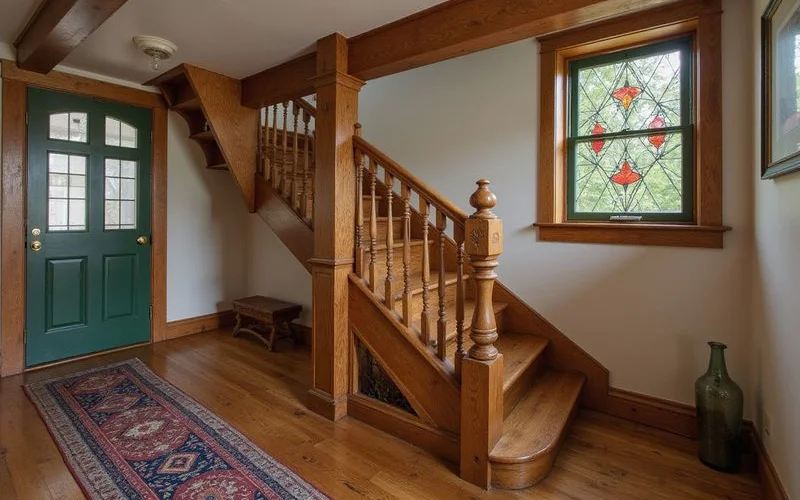
Here are the specific elements that drive East End property values:
- Original woodwork: Unpainted oak and fir trim, grand staircases, pocket doors, and built-in dining buffets are highly coveted.
- Leaded and stained glass: These windows act as built-in artwork and signal a high level of historic integrity.
- Hardwood floors: Buyers prefer original maple or oak floors, even if they require a fresh sanding and refinishing.
- Fireplaces with original mantels: A functional fireplace with period-correct tile or masonry anchors a living room layout.
- Front porches and sleeping porches: These semi-outdoor spaces offer the classic neighborhood lifestyle that draws families to Duluth.
- Lake views and expansive proportions: Clear sightlines to the water paired with big rooms and high ceilings offset the cramped feeling sometimes associated with older layouts.
A common mistake is assuming buyers want a completely modernized interior. True historic home shoppers are searching for authentic character above all else.
What do buyers worry about?
Character inherently comes with aging infrastructure. Buyers and their inspectors will scrutinize the mechanical systems closely to uncover potential liabilities.
Our inspection reviews show that deferred maintenance on these specific systems causes the most friction during negotiations. Understanding these hurdles ahead of time prevents last-minute deal cancellations.
In East End homes, you can expect buyers to focus heavily on the following concerns:
- Electrical limitations: Knob-and-tube wiring, outdated service panels, and a lack of modern three-prong outlets will trigger immediate safety flags.
- Heating systems: Century-old boilers and radiant steam or hot water systems often require specialized maintenance knowledge.
- Water intrusion: Old stone foundations are prone to seepage, making a dry basement a major selling point.
- Retaining walls: Leaning, bulging, or visibly cracked stone walls on steep hillside lots indicate expensive structural work.
- Roofs and ice dams: Complex historic rooflines paired with long Minnesota winters make roof age a top priority.
- Environmental hazards: Lead-based paint and lead water service lines require proper pre-1978 disclosures.
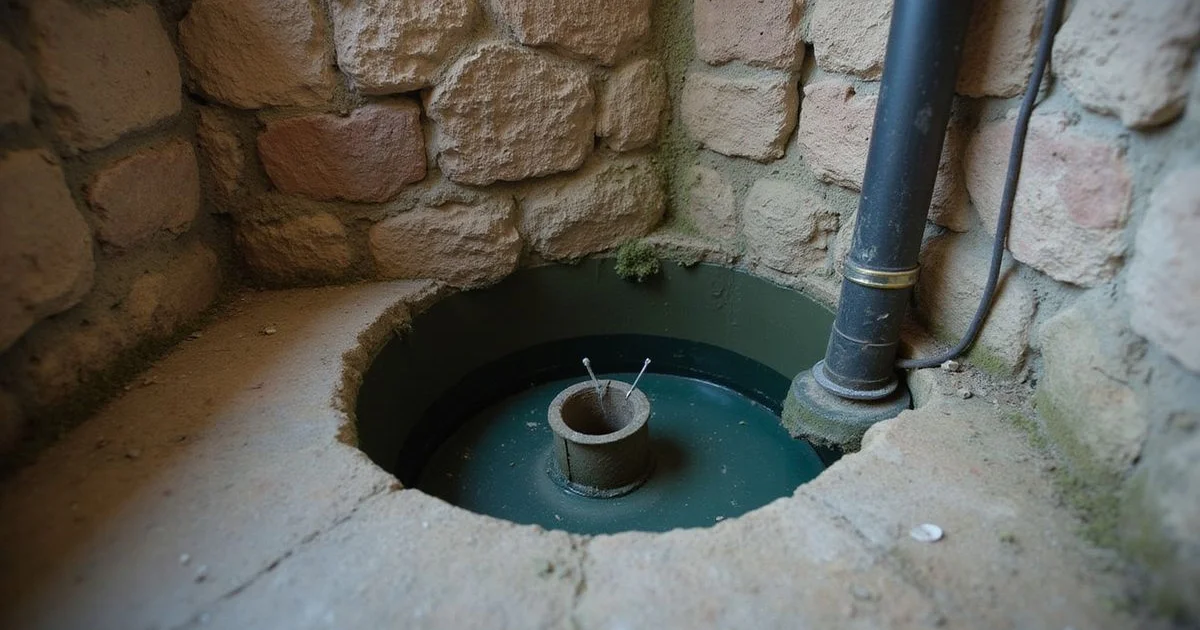
The mandated Inflow and Infiltration (I&I) sewer inspection is a critical local requirement you cannot skip. The city uses this point-of-sale inspection to ensure sump pumps and drain tiles are not feeding clear water into the sanitary sewer.
We highly recommend scheduling this early, as the Point of Sale certificate carries a $115 fee. Failing the inspection gives you 90 days to correct the issue before the city levies a $250 monthly surcharge.
The detailed what inspectors flag in pre-1940 homes guide covers each of these specific topics. Reviewing it will help you prepare for the buyer’s requests.
The winning combination
Original character plus documented updates. A 1905 Queen Anne with its woodwork intact and receipts for the boiler, roof, and electrical often sells faster and stronger than a renovated house with question marks.
Restore, update or price in?
Most sellers should not take on a major historic restoration right before listing the property. The goal is to maximize your return on investment by fixing glaring issues and pricing in the cosmetic preferences.
We use a simple matrix to help clients decide where to allocate their pre-listing budget. Smart capital deployment prevents you from over-improving the house for the current market.
Here is exactly how you should sort your preparation tasks:
| Property Item | Recommended Action | The Financial Logic |
|---|---|---|
| Safety issues (handrails, exposed wiring, active leaks) | Fix immediately | Buyers will walk away or demand oversized concessions for basic safety hazards. |
| Downspouts and grading on a hillside lot | Fix before listing | This is a cheap weekend project that prevents major water intrusion concerns. |
| Cleaning and minor repair of original woodwork | Fix before listing | Woodwork is your primary selling feature. Simple oiling or cleaning yields a massive return. |
| Painting dark or worn rooms | Fix before listing | Fresh, period-friendly paint colors brighten spaces and make the home feel move-in ready. |
| Full kitchen remodel | Price it in | Buyers have specific tastes. Offer a credit or adjust the asking price instead of guessing what they want. |
| Boiler near end of life but still working | Price it in with a quote | Obtain a firm replacement estimate from a licensed HVAC contractor to remove the buyer’s fear of the unknown. |
| Refinishing every hardwood floor | Usually skip | This requires emptying the house. Let the new owner pick their preferred stain color. |
| Major retaining wall rebuild | Get an estimate, then decide | If a stone wall is failing, secure three bids. A $15,000 wall replacement will heavily impact negotiations. |
Keep in mind that buyers of historic properties expect a few projects. Presenting them with a clean, safe, and transparently priced home is far more effective than trying to flip a 120-year-old house in three weeks.
How should a century home be marketed?
Effective marketing for a century home relies on storytelling and high-quality visual documentation. You must capture the imagination of the buyer while providing the concrete facts they need to feel secure.
Our marketing campaigns prioritize the distinct architectural heritage that makes the East End famous.
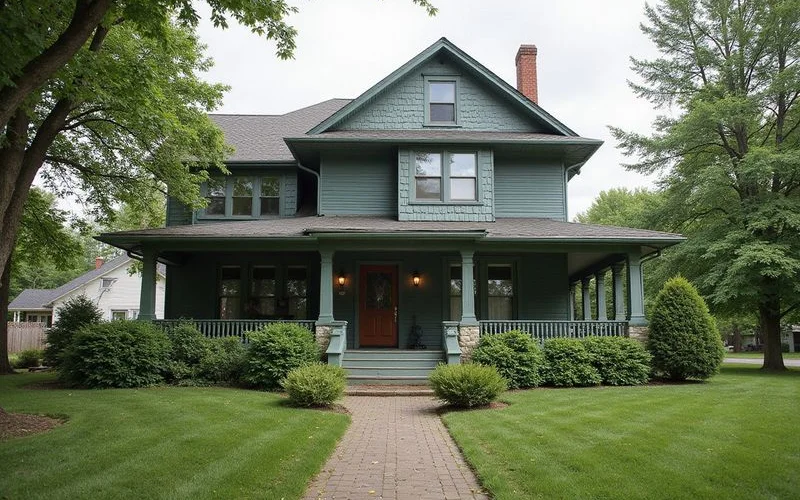
To stand out in the 2026 Duluth market, your listing package needs these essential components:
- Professional architectural photography: You need specialized lighting to accurately capture the warmth of the original woodwork, the natural light through stained glass, and the depth of those Lake Superior views.
- A detailed floor plan: Older layouts often feature butler’s pantries, servant stairs, and segmented rooms that are very difficult to picture from photos alone.
- The property’s story: Include the year built, the specific architectural style, and any notable local history or prominent past owners.
- A comprehensive updates list: Document exactly what has been done, the date of completion, and the names of the licensed contractors who performed the work.
- The I&I sewer certificate: Having this City of Duluth document ready at listing proves the property is compliant and removes a major buyer anxiety.
- Completed disclosures: Have your radon tests, pre-1978 lead paint disclosures, and known defect forms ready for immediate review.
Buyers will forgive quirky layouts if they fall in love with the presentation. A well-prepared marketing package builds trust before the buyer even steps onto the front porch.
How is a century home priced?
Pricing a historic property relies on analyzing closed sales of similar East End homes, then making aggressive adjustments for condition, lot utility, and modernization. Standard automated valuation models frequently fail here because century homes are entirely unique.
We manually adjust comparable sales based on several hyper-local factors that algorithms miss entirely. Here are the main variables dictating your final asking price:
- Lake Superior sightlines: A well-kept 1910 home positioned on a ridge with a clear water view commands a massive premium over a similar home just two blocks away.
- Off-street parking: Because many East End properties predated automobiles, a functional two-car garage is a prized, high-value commodity.
- School zone proximity: Properties located within walking distance of Congdon Park Elementary or the Tischer Creek trails consistently see faster sales cycles.
- Mechanical modernization: A home with a new high-efficiency boiler and updated electrical panels will appraise significantly higher than one relying on legacy systems.
Establishing the right price requires treating your home like a custom piece of art rather than a standard subdivision build.
Is it in a historic district?
The East End was heavily documented in a comprehensive 2014 city survey that cataloged more than 200 historic homes, but whether strict architectural rules apply depends entirely on the specific property. Being included in a historic survey does not automatically mean a house is under local protection.
Our team always verifies the exact designation status to ensure buyers understand what they can and cannot alter.
If the property is officially designated as a local landmark by the Duluth Heritage Preservation Commission (HPC), any exterior changes will require a thorough review process. You or the buyer must check with the City of Duluth Planning and Development department before planning new windows, additions, or major landscape retaining wall changes.
Providing this clarity upfront protects the transaction from falling apart during the final municipal checks.
Guiding Your Next Steps
For anyone selling a historic home, Duluth presents an incredibly rewarding market when handled correctly. With the right preparation plan, buyers will instantly recognize the unique history you have preserved.
We take immense satisfaction in helping homeowners showcase their properties while mitigating the technical risks. By supplying transparent records and completing necessary inspections early, your buyers will submit offers with total confidence.
Contact our office today to request a custom property evaluation and start building your dedicated listing strategy.
This guide is general information about selling a home in Duluth and Minnesota. It is not legal or tax advice. Rules and fees change, so confirm details with the City of Duluth, your county, your title company, an attorney or a tax professional as needed.