
Should I sell my house before or after I move?
Our clients constantly ask if they should sell house before or after moving when leaving the Northland. The answer depends entirely on your budget, your new job’s start date, and your tolerance for stress. You can read about how we handle these logistics from afar in our relocation sales guide, but the core choice always comes down to managing risk.
Our experience shows that neither choice is inherently wrong.
The decision depends on your unique situation, especially when managing an older Duluth home in winter. Let’s look at the actual market data and explore practical ways to respond.
Selling before you move
We always advise clients to consider all options when they need to sell house before relocating, balancing the immediate financial benefits against the daily disruptions. Selling first gives you absolute certainty about your purchasing power. Buyers of older homes from the 1920s or 1930s often request thorough inspections. Being present during these walk-throughs allows you to address repair requests immediately.
Our team has seen how this timeline also eliminates the burden of holding costs. Maintaining a vacant property means covering monthly utilities. Local utility bills from providers like ComfortSystems average around $210 per month during a typical 2026 winter.
Pros:
- One housing payment, not two
- You know your exact budget for the next home
- You are present for showings, inspections, and any surprises
- No vacant-home risk in winter
Cons:
- Showings happen while you are living there and packing
- You might need temporary housing if closing comes before your move
- Short-term rentals in Duluth average over $3,900 a month in 2026
- More stress in the weeks before the relocation
Selling after you move
We often see homeowners choose this route when they want a clean break and a stress-free transition. Leaving the property first means you can focus entirely on your new job. This approach provides a massive advantage for presentation. Older properties show much better when they are spotlessly clean and lightly staged.
Our vacant house selling tips start with specific risk management. Unoccupied houses carry unique liabilities in Minnesota. Standard insurance policies often drop coverage for damage if the house sits empty for more than 30 days. You will need a specialized vacant home policy. These policies cost 25% to 50% more than standard coverage, especially after the state’s severe storm losses drove premiums up 34% in 2025.
Pros:
- Easy showings with no one living there
- Great photos of clean, empty, or lightly staged rooms
- You can focus on the new job and the move first
Cons:
- Two housing payments until the property sells
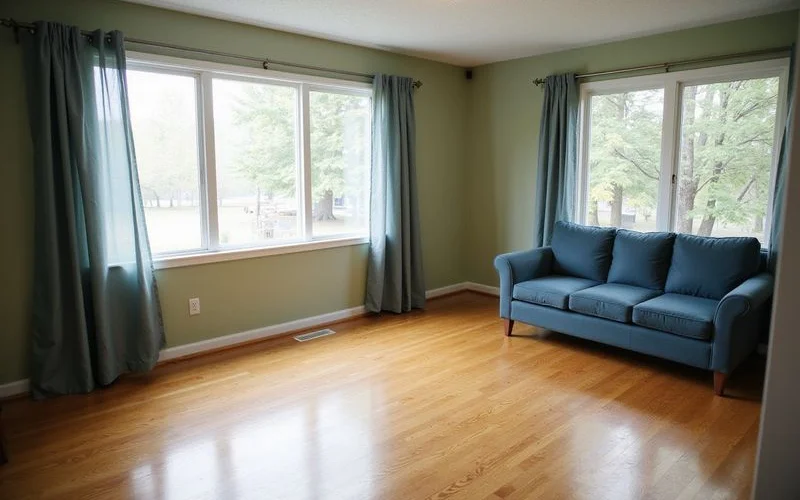
- Vacant homes can feel cold without staging
- Winter risk requires leaving the heat on to prevent frozen pipes
- Vacant home insurance premiums cost significantly more
A quick comparison
We created this quick reference guide to summarize the main differences. The table breaks down the key factors for a typical Northland relocation.
| Feature | Sell before | Sell after |
|---|---|---|
| Housing costs | One payment | Two for a while |
| Showings | Around your life | Easy |
| Presentation | Lived-in, needs decluttering | Needs light staging |
| Winter risk | Low | Needs heat and checks |
| Budget for next home | Known | Estimated |
| Stress | Before the move | After the move |
What about a rent-back?
We frequently negotiate a rent back after closing to give sellers the best of both worlds. This legal arrangement allows you to sell the home, collect your equity, and stay in the property for a short time. Buyers act as your temporary landlord while you finalize your move.
Our local market uses a specific document called the Minnesota Post-Closing Possession Addendum. This form grants you a license to stay rather than creating a formal landlord-tenant lease. Lenders typically restrict these agreements to a maximum of 60 days. Staying longer can violate the buyer’s owner-occupancy mortgage requirements.
The Duluth winter factor
If your move is in late fall or winter, think hard about a vacant house. Keep the heat on or winterize, schedule regular checks, keep snow cleared and confirm your insurance. A burst pipe can cost more than a month of double payments.
How do I set the dates?

We recommend working backward from your firm relocation date. A successful timeline requires a realistic look at current market speeds. Redfin data from August 2026 shows that Duluth homes sit on the market for a median of 15 days.
Our suggested timeline pads the schedule to account for the typical 30 to 45 day closing period. Buyers need this time to secure financing and complete the appraisal. If your start date is fixed, we can execute a few different strategies:
- List early enough that closing lands near your move
- Ask for a closing date that fits your schedule
- Negotiate a short rent-back agreement
- Plan a remote sale if you need to leave first
What if I’m not sure I want to sell at all?
We talk to many relocating owners who consider keeping their house as an investment property instead of selling. Renting out your home is a viable option, especially since the demand for housing in the Twin Ports is incredibly strong right now. A 2025 housing study by Maxfield Research revealed a highly competitive Duluth rental vacancy rate of just 1.8%.
Our local data confirms that the average monthly rent in Duluth sits around $1,650 as of 2026. Managing a property from another state does require paying a property manager, which cuts into your profits. If you are leaning toward this path, you should evaluate:
- The cost of routine winter maintenance
- Local property management fees
- The condition of your roof and furnace
- Your ability to handle unexpected repair bills
The sell or rent when relocating guide compares these two options in detail.
Our recommendation
We generally suggest selling after you move if you can afford two payments for a couple of months. The house will show beautifully when empty, and your stress levels will drop significantly.
Our priority shifts entirely if money is tight or your departure falls in the middle of a deep freeze. Selling first is usually the safer financial decision in those scenarios.
A detailed net sheet for both timelines makes the choice crystal clear.
We encourage you to schedule a quick consultation with our team to run the numbers on your specific property. This simple step will help you:
- Review current local market data
- Compare estimated net proceeds
- Finalize your moving timeline
This guide is general information about selling a home in Duluth and Minnesota. It is not legal or tax advice. Rules and fees change, so confirm details with the City of Duluth, your county, your title company, an attorney or a tax professional as needed.