Should I sell or rent out my Duluth home when I move?
We often see homeowners wrestling with the exact same question when a career move pulls them away from the Twin Ports.
The idea of holding onto an appreciating asset is incredibly appealing. A sub-2% vacancy rate makes renting look like a guaranteed win. Our experience shows that managing an older property from a distance requires a specific temperament and a solid financial buffer.
If you need to sell or rent house when relocating, let’s break down the real costs of remote landlording. The tax math changes dramatically once you move out. We will also explore exactly what happens if you decide on a relocation sales approach instead.
Why renting is tempting in Duluth
We understand why the local rental market looks like an easy win for relocating homeowners. If you plan to rent out house when moving, the city’s 2025 Maxfield housing study found an incredible rental vacancy rate of just 1.8%.
Properties near UMD, St. Scholastica, and the medical district are especially easy to fill. You might also be sitting on a 3% or 4% mortgage rate that feels too valuable to give up. Our clients frequently mention that keeping their house feels like holding onto a winning lottery ticket.
Average two-bedroom rents are pushing $1,880 a month. That monthly gross income paints an attractive picture on paper.
What being a landlord from afar really involves
Before you decide to become accidental landlord duluth, understand that turning a primary residence into a rental means taking on a second job. Our property management contacts emphasize that local regulations and older home maintenance require constant attention.
- A City of Duluth rental license: You will pay a base fee of $250 plus $25 per bedroom every three years. Single-family homes without an active license also face a steep $1,500 conversion fee. See the Duluth rental license guide for how licensing works when a rental sells.
- A local property manager: You can expect management fees to run between 8% and 10% of your monthly rent, plus potential leasing fees. Our team knows that this expense cuts directly into your monthly cash flow.
- Repairs and turnover on older stock: Roughly 43% of homes in this area were built before 1940. We see remote landlords routinely surprised by the cost of maintaining century-old cast-iron boilers or mitigating ice dams caused by wild spring temperature swings.
- Vacancy and tenant risk: Even with low vacancy, turnover months generate zero income while your mortgage remains due. You must also follow Minnesota landlord rules regarding notice periods, security deposits, and mandatory repair timelines.

A side-by-side comparison
We find that placing the options side by side is the fastest way to gain clarity. Selling provides immediate liquidity, while renting trades present equity for potential future gains and ongoing obligations.
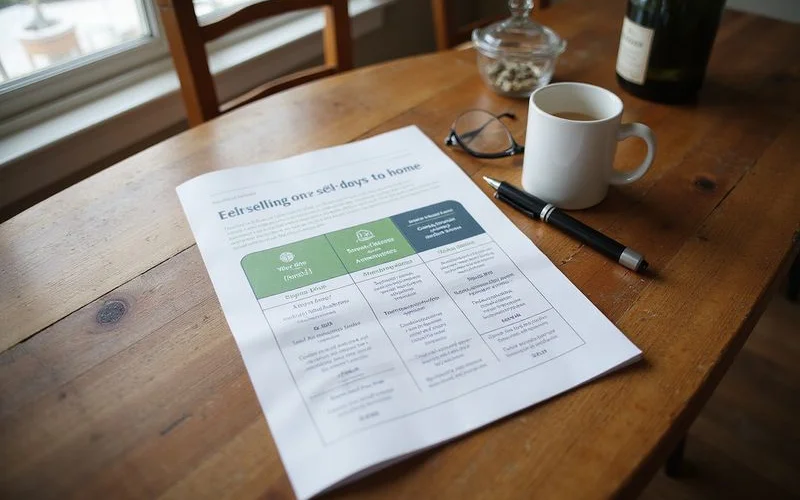
| Sell now | Rent it out | |
|---|---|---|
| Cash Position | Access your home equity immediately, after standard closing costs. | Collect monthly rent, minus management (8-10%) and maintenance expenses. |
| Ongoing Work | None required after the closing date. | Requires managing the $250+ licensing, paying managers, and scheduling repairs. |
| Risk Profile | Subject to current market timing and interest rates. | Exposed to tenant turnover, vacancy gaps, boiler repairs, and market shifts. |
| Tax Impact | The Section 121 primary home exclusion may shield up to $500,000 in gains. | Involves complex depreciation recapture and changing exclusion rules over time. |
| Flexibility | Provides immediate capital to fund your next home purchase. | Retains the asset with the option to sell later if the market appreciates. |
How do I run the numbers?
Our approach to the math is intentionally conservative to prevent unexpected shortfalls. Start with a realistic rent estimate for your neighborhood, and then subtract every single monthly and annual obligation.
- Your monthly mortgage payment, property taxes, and specific landlord insurance, which usually costs 15% to 25% more than a standard policy.
- Property management fees of 8% to 10%.
- Rental license fees, including that potential $1,500 single-family conversion cost.
- Repairs and maintenance, budgeting at least 1% of the home’s value annually for older properties.
- Vacancy allowances, assuming at least two weeks of empty time per year.
- Snow removal and lawn care, if you provide these services to attract premium tenants.
You should compare this net monthly result against what you would gain from cashing out today. A net sheet for the sale placed next to a realistic rental budget usually makes the correct path obvious.
Taxes matter here
Owners who’ve lived in a home for two of the last five years may qualify for a Section 121 capital gains exclusion when they sell. Renting it out for too long can disqualify you from that exclusion. Talk to a tax professional before you make a final move.
When does renting make sense?
We suggest holding the property if the math provides a comfortable margin of error. Renting is a highly viable strategy when your income easily absorbs the inevitable surprise expenses.
- Your projected rent covers all costs and leaves a solid cash flow buffer of at least $200 to $300 a month.
- You have secured a highly reliable local property manager to handle middle-of-the-night calls.
- A return to the Twin Ports area is a genuine possibility within the next few years.
- You feel entirely comfortable taking on the financial risks of remote property investment.
- Our team always reminds clients to confirm the long-term tax implications with a CPA first.
When does selling make sense?
Our clients usually choose to sell when they want a clean break and immediate access to their wealth. Cashing out is the safest route if your property requires significant upgrades.
- You need to pull your equity out to fund a down payment in your new city (see selling before or after you move).
- The idea of managing tenants, even through a third party, causes you unnecessary stress.
- The home needs a major system replacement, like an $8,000 boiler or a new roof.
- The monthly margins are dangerously thin after accounting for management fees and taxes.
Can I do both, in order?
Yes, you can absolutely rent the property for a short period before listing it on the market. Our experience shows that a one-to-two-year rental strategy often works perfectly for transitional moves.
Keep in mind that active leases automatically transfer with a property sale in Minnesota. You will need to time any future transaction carefully around those lease end dates to attract buyers who want to occupy the home. The Section 121 tax exclusion rules also shift, and you generally lose the ability to shield your capital gains if you rent the home for more than three years.
When you need to sell or rent house when relocating, you have to start by putting the real numbers on paper. We highly recommend generating a net sheet for the sale and placing it next to a realistic rental budget today. The right decision practically makes itself once you review those concrete figures.
This guide is general information about selling a home in Duluth and Minnesota. It is not legal or tax advice. Rules and fees change, so confirm details with the City of Duluth, your county, your title company, an attorney or a tax professional as needed.