We frequently field questions from local landlords about unloading occupied properties.
Many owners of older Duluth homes want full market value but worry about disrupting current renters. If you plan to sell a house with tenants, Minnesota real estate laws make it highly achievable with the right strategy.
Our goal is to outline the exact steps required for a profitable transaction. The keys to a smooth sale are proper notice, cooperative tenants, and a buyer who understands the leases.
You can review our specific page on rental and duplex sales for help planning the sale. Let’s look at the data and explore a few practical ways to respond.
Can you sell a house with tenants living in it?
Yes. In Minnesota, selling rental property with tenants is completely legal and common. State statute 504B.178 governs the transition of leases and deposits during a sale.
Our team handles these specific transactions routinely for properties built before 1940. The existing lease automatically transfers to the new buyer in most cases. The buyer assumes the role of the new landlord immediately upon closing.
We recommend reviewing your current rental agreements early in the process. This guide provides general information and should not replace professional legal counsel.
What happens to the lease?
A common question is: does lease transfer with sale? Generally, an existing lease stays in full effect after a transaction, as the legal concept is that the lease runs with the land.
Our experience shows that buyers will demand copies of every lease before making an offer. The new owner takes over as landlord under the exact same terms until the current lease expires.
You must ask a qualified attorney if your lease includes unusual terms, such as an early termination clause upon sale. We always tell sellers to prepare an estoppel certificate, which requires the tenant to verify their rent amount and confirm there are no hidden side agreements.
How do showings work with tenants?
When delivering a tenant showing notice, Minnesota law requires landlords to make a good faith effort to provide reasonable warning before entering a unit. The specific statute, Minn. Stat. 504B.211, defines reasonable notice as at least 24 hours in advance.
Our protocol strictly adheres to this timeframe to maintain a positive relationship. The law also restricts showings to reasonable business hours between 8:00 a.m. and 8:00 p.m.
Your specific lease might dictate even stricter notice requirements. We strongly suggest using a few practical strategies to minimize friction.
Tips for Cooperative Showings
Cooperative renters make a massive difference in how quickly your property sells. Unhappy occupants can make showings difficult and hurt how the home presents to buyers. Our most successful clients use these specific methods:
- Tell tenants early. Send a short, friendly letter explaining the sale and what to expect.
- Use showing windows. Schedule two set blocks of time a week rather than allowing random daily requests.
- Give written notice. Provide formal documentation for each individual showing.
- Respect their space. Renters are not required to stage your listing or leave during the tour.
- Consider a thank-you. Offering a $50 gift card or a small rent credit often secures excellent cooperation.
Vacant or occupied: which sells better?
The answer depends entirely on your target buyer pool. Vacant properties generally sell faster because owner-occupants can move in immediately. Our data shows that occupied homes appeal primarily to investors looking for immediate cash flow.
| Feature | Occupied Property | Vacant Property |
|---|---|---|
| Target Buyer Pool | Investors and landlords | Broad market, owner-occupants |
| Rental Income During Sale | Yes, continues until closing | No, zero cash flow |
| Showing Flexibility | Limited by 24-hour notice rules | Easy, anytime access |
| Visual Presentation | Depends entirely on the renters | Clean, easy to professionally stage |
| Financing Restrictions | Harder for FHA loans | Eligible for all loan types |
The Duplex Strategy
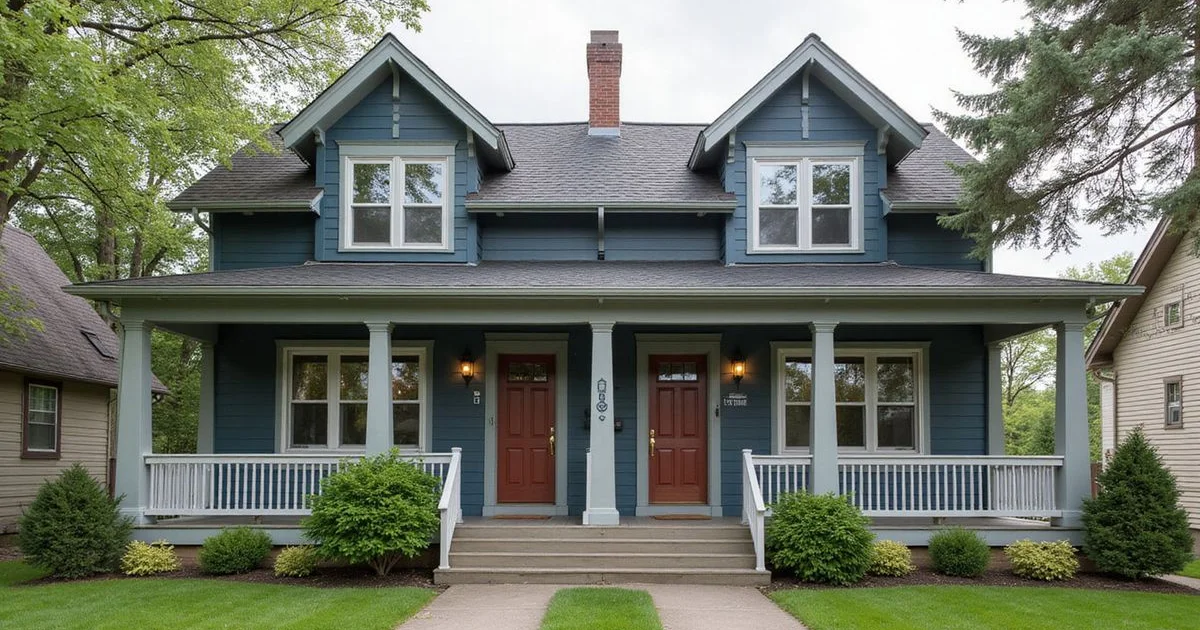
For duplexes, a common approach involves keeping one unit occupied and leaving one vacant. This setup appeals directly to owner-occupant buyers.
Our local market sees many FHA buyers who plan to live in one half to offset their mortgage. These buyers must occupy the property within 60 days of closing under federal loan rules.
Showing investors actual rental income from the second unit proves the property’s financial viability.
What about security deposits?
Security deposits legally belong to the renters. These funds do not belong to the seller.
Our closing checklist always includes a mandatory deposit transfer protocol. At closing, these funds are typically transferred or credited directly to the buyer. The new owner will owe them back to the renters at the end of each respective lease.
We rely on the title company to handle the precise accounting. You must provide a clear list of deposits for each unit. Minnesota statute 504B.178 also requires landlords to pay 1% simple non-compounded interest on these deposits, so the buyer will need this exact calculation to remain compliant.
What will buyers ask for?
Investors buying older Duluth homes want specific financial documentation. They need to verify that the property generates enough income to cover expenses. Our listing prep always includes gathering these specific items:
- A complete rent roll detailing units, monthly rents, lease start dates, and held deposits.
- Legible copies of all current leases and addendums.
- Your City of Duluth rental license and recent inspection status.
- A T-12 financial statement showing the trailing 12 months of actual income and expenses.
- Clear utility arrangements detailing who pays for water, gas, and electricity.
- A documented list of recent capital repairs and maintenance expenses.
- Signed estoppel certificates where renters confirm their exact lease terms.
What about the rental license?
Selling a licensed rental in Duluth requires specific paperwork with the city. The buyer must file a rental license transfer application with the Duluth Life Safety office.
Our team ensures buyers understand this process early to prevent closing delays. The city currently charges a $100 fee for this transfer.
Explaining this requirement to potential buyers upfront keeps the transaction moving smoothly. You can find the exact steps in our Duluth rental license transfer guide.
Ending leases early
If you want a unit empty before selling, you generally need the lease to end on its own terms or reach a voluntary agreement with the tenant, such as cash for keys. These agreements currently average between $1,000 and $3,000 in the 2026 market. Get any agreement in writing and ask an attorney to review it.
Does the Duluth sewer inspection apply?
Yes. The city requires a Point of Sale building sewer inspection for all property transfers. This rule applies equally to rental sales and owner-occupied homes.
Our contractors often find that 1940s properties have older clay pipes requiring attention. You must give your renters a 24-hour notice for the sewer inspector’s visit just like any other entry.
If the system fails due to Inflow and Infiltration issues, the county requires action. We see escrows commonly held at closing for 100% of the replacement costs if repairs cannot be finished before the sale.
Selling with renters takes a bit more coordination.
It remains a very common practice, especially near the local university campuses. Clear records and excellent communication allow buyers to see exactly what they are getting.
Reach out to our office if you need help evaluating your occupied rental.
This guide is general information about selling a home in Duluth and Minnesota. It is not legal or tax advice. Rules and fees change, so confirm details with the City of Duluth, your county, your title company, an attorney or a tax professional as needed.