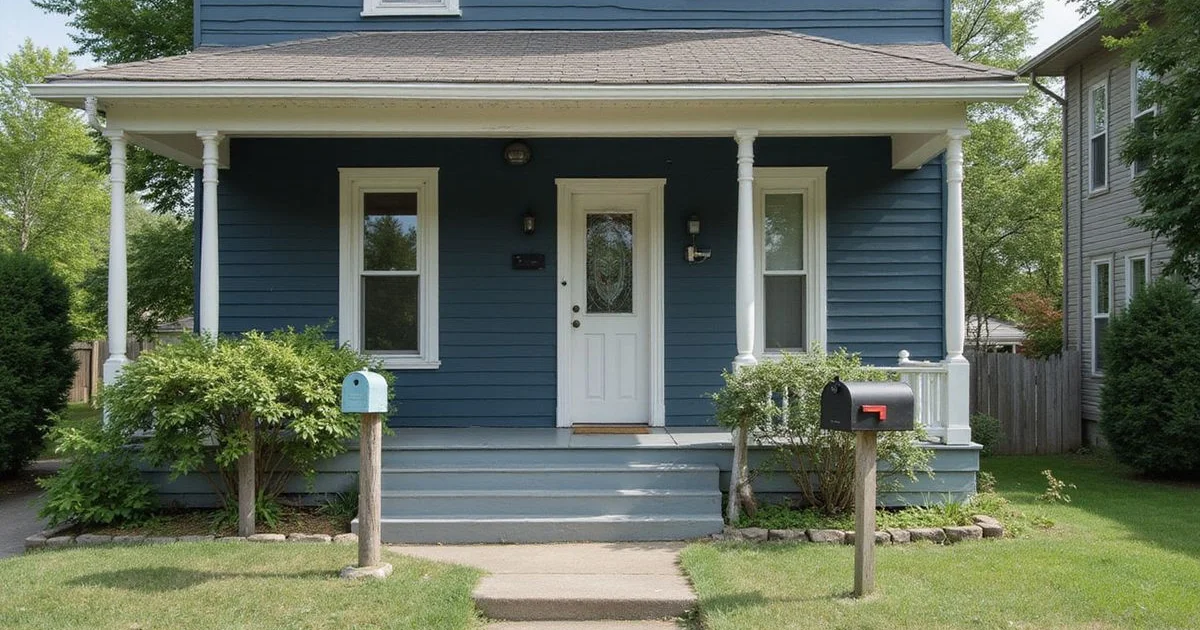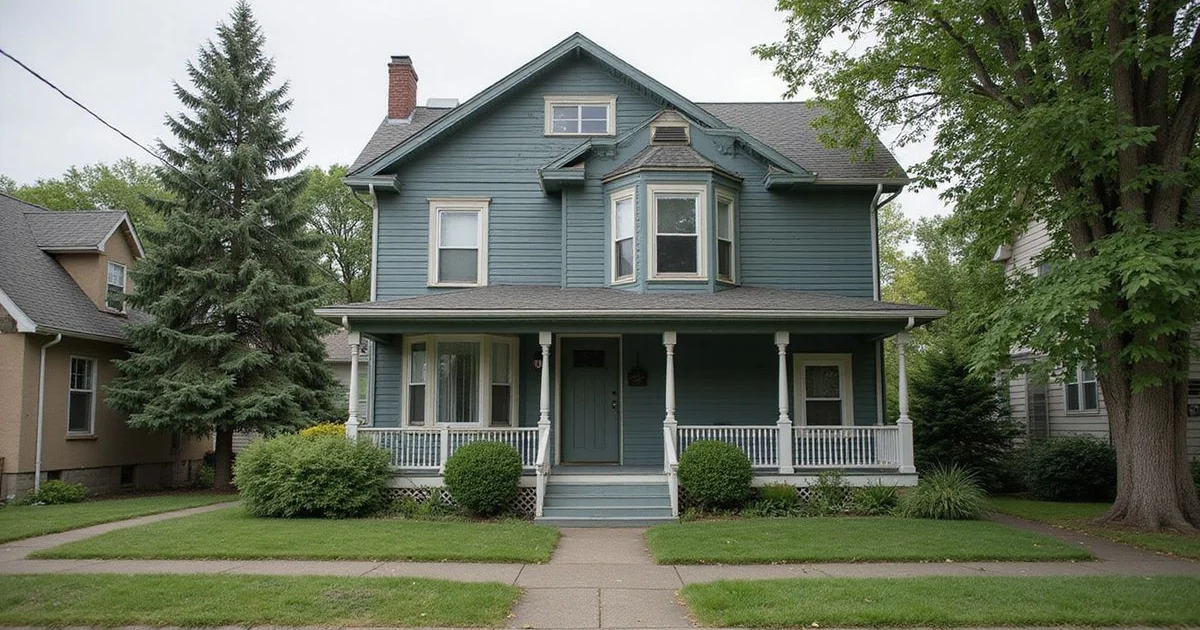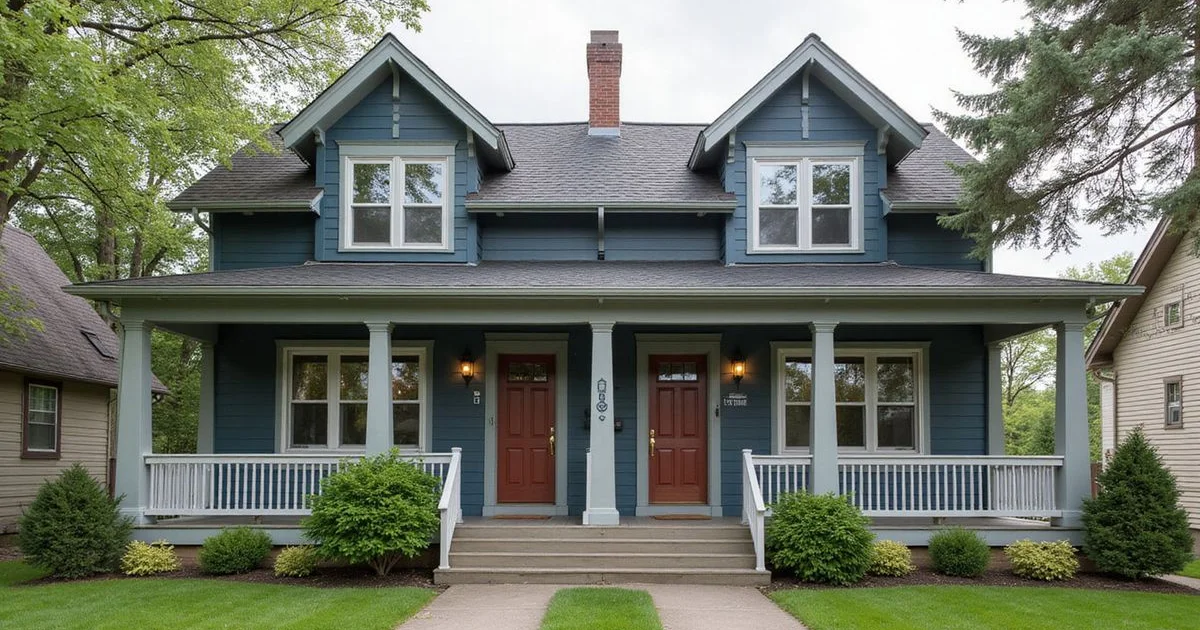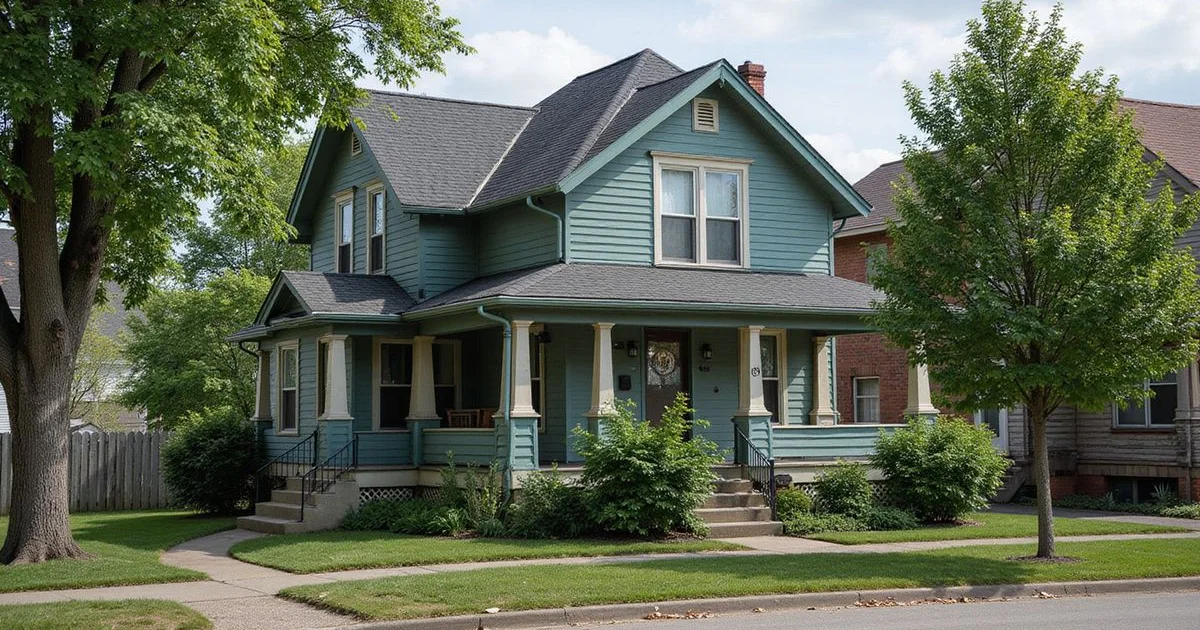
How do you sell a rental near UMD or St. Scholastica?
We know that deciding to sell a rental property near UMD or St. Scholastica often feels complicated. The secret is simply timing the market right, packaging the financials, and keeping your tenants informed.
Our local data shows that Duluth’s rental vacancy was just 1.8% in the city’s 2025 Maxfield study. That 1.8% figure is exactly why a Chester Park rental for sale draws so much investor attention.
We will look at the academic calendar, what it actually tells us about buyer behavior, and then explore a few practical ways to prepare.
For full help with the transaction, read the guide on rental and duplex sales.
Why timing matters near campus
Our team watches the calendar closely because student leases dictate your entire buyer pool. You will typically see leases ending in early May or summer, and starting again in late August.
We see the University of Minnesota Duluth (UMD) spring housing contracts wrap up around the first week of May. This strict schedule shapes exactly who can buy the property and when they can take possession.
| Listing window | Who it suits | Why it works |
|---|---|---|
| Late winter to spring, before leases end | Investors who want to sign fall leases | Secures income before the May turnover spike. |
| Late spring or summer, after move-out | Owner-occupants, buyers converting to single-family, renovators | Provides a vacant house for immediate occupancy. |
| Fall, with new leases signed | Investors who want a full house of tenants from day one | Delivers a turnkey investment with immediate cash flow. |
Our experience shows that if you sell with tenants in place, any leases signed for the following year will legally transfer with the sale. This guaranteed income is highly attractive to a 2026 investor looking for turnkey cash flow.
We always advise sellers to decide on their target buyer profile before letting tenants sign renewals. A transferred lease is an absolute dealbreaker for an owner-occupant wanting to move their family in immediately.
Understanding the Turnover Spike
We notice that the May turnover spike creates a rush for local contractors and cleaners. Delaying these updates can push your listing back and cause you to miss the prime summer selling window.
Who buys student rentals?
We categorize buyers into investors, parents of students, owner-occupants, and professional renovators. Each group evaluates your property using a completely different set of criteria.
- Investors looking for strong rents, low vacancy, and stable returns.
- Parents buying a house for a student and roommates to offset university housing costs.
- Owner-occupants who want to live in part of a duplex or convert a house back to single-family.
- Renovators who see value in the location and plan to update older infrastructure.
We know that professional buyers price these properties strictly based on verifiable income. A March 2026 Capright market report shows national student housing cap rates averaging 5.50% to 6.50%.
Our local sales data confirms that well-maintained Duluth properties fall right into this competitive range. The guide on how investors value a duplex explains cap rate and gross rent multiplier in detail.
What to prepare for investor buyers
We require sellers to prepare a detailed rent roll, current leases, your active Duluth rental license, utility history, and maintenance records. Serious buyers will request this documentation immediately after viewing the property.
Organizing the Financials
Our coordinators help compile these records before the listing ever goes live. Here is the exact checklist of items you need to gather:
- A rent roll detailing rooms, current rents, lease dates, and collected deposits.
- Copies of all active and signed future leases.
- Your City of Duluth rental license and recent Life Safety inspection status.
- Utility bills highlighting the specific services you pay for versus the tenants.
- A comprehensive repair and capital expense history.
- Any off-street parking or occupancy limit details tied to your specific license.

Managing Deposits and Statutes
We always remind sellers that deposit liabilities require special attention during a sale. Minnesota Statute 504B gives landlords just 21 days to return a security deposit after a lease ends.
Our agents make sure the exact deposit amounts transfer smoothly to the buyer at closing to keep everyone compliant. Sloppy bookkeeping can scare off a qualified buyer who fears inheriting a legal mess.
Showings with student tenants
We focus on giving proper written notice, setting specific showing windows, and avoiding finals week to manage student tenants. Students are usually cooperative if they know exactly what to expect.
Our team provides written notice well in advance, complying with both Minnesota law and your specific lease terms. A chaotic showing schedule will frustrate tenants and lead to messy rooms during walk-throughs.
We block out two or three specific showing windows per week to maintain order. You should also check the academic calendar to avoid booking tours during UMD finals week, which typically hits in mid-December and early May.
Condition counts
Student rentals see a lot of wear. Fixing obvious damage, cleaning shared spaces and having records of major systems helps investors see a well-run property instead of a project.
The license and the sewer inspection
We remind clients that the buyer must file a license transfer with the city, and every Duluth sale requires a point-of-sale sanitary sewer inspection. These two local regulations catch many first-time sellers off guard.
Our permit specialists verify that the buyer files the necessary license transfer application, which carries a $100 fee with the City of Duluth. The city’s building sewer inspection applies to every single transaction, regardless of the property type.
Preparing for the I&I Inspection
We advise booking this Inflow and Infiltration (I&I) inspection early because older campus-area houses frequently need sewer work. Over 40% of homes in Duluth were built before 1940, and many still rely on original clay tile sewer laterals.
Our local contractors note that failing to fix a flagged sewer line results in a $250 monthly city surcharge after 90 days. Sellers can sometimes access City of Duluth grant funds, which offer up to $2,150 to assist with corrective work like adding a sump pump.
We help sellers weigh the cost of these repairs against offering the buyer a credit at closing. Resolving the sewer inspection issues promptly keeps the transaction moving toward closing.
Taxes on a rental sale
We know that selling a student rental property triggers capital gains taxes and depreciation recapture. A 1031 exchange allows an investor to roll the proceeds from the Duluth property directly into a new real estate asset to defer these liabilities.
Our advisors strongly encourage sellers to talk to a licensed tax professional months before listing the property. This strategy requires strict adherence to IRS timelines, including a 45-day window to identify a replacement property.
We track these deadlines closely because you have exactly 180 days to close on that new investment. Missing either deadline invalidates the tax deferral completely.
Closing in a Fast Market
We find that campus-area rentals are some of the most liquid properties in Duluth. With the right timing and clean financial numbers, they tend to draw serious buyers very quickly.
Our marketing approach ensures your listing stands out to these qualified buyers. Contact our team today to evaluate your property and start planning to sell a rental near St. Scholastica for maximum profit.
This guide is general information about selling a home in Duluth and Minnesota. It is not legal or tax advice. Rules and fees change, so confirm details with the City of Duluth, your county, your title company, an attorney or a tax professional as needed.