Is a “we buy houses duluth legit” offer real?
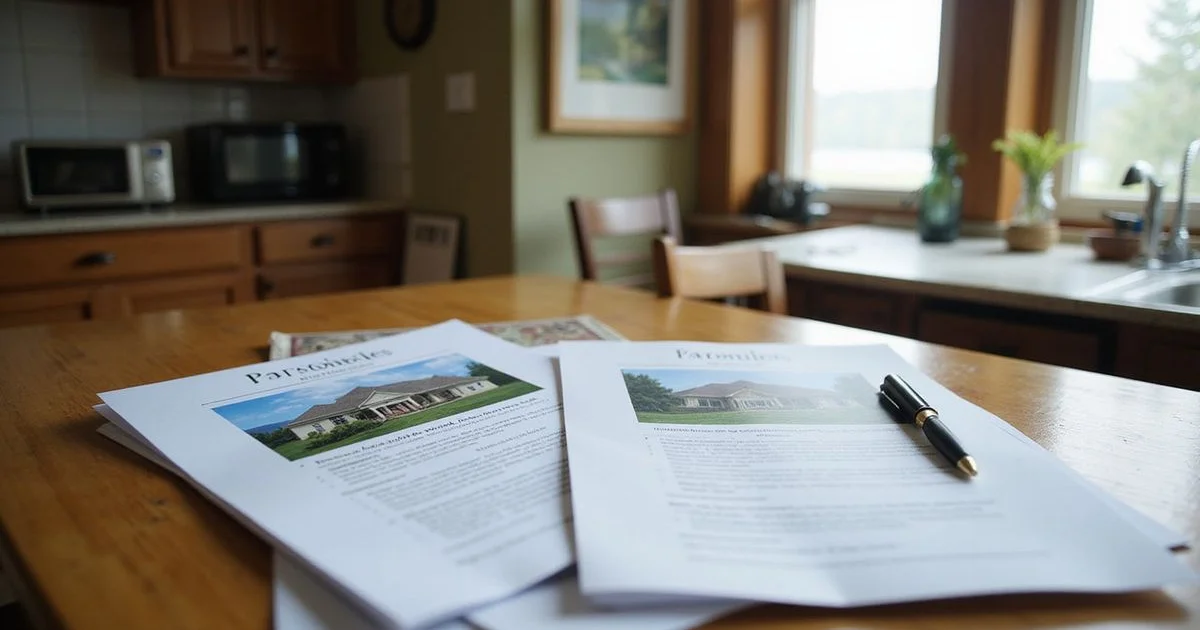
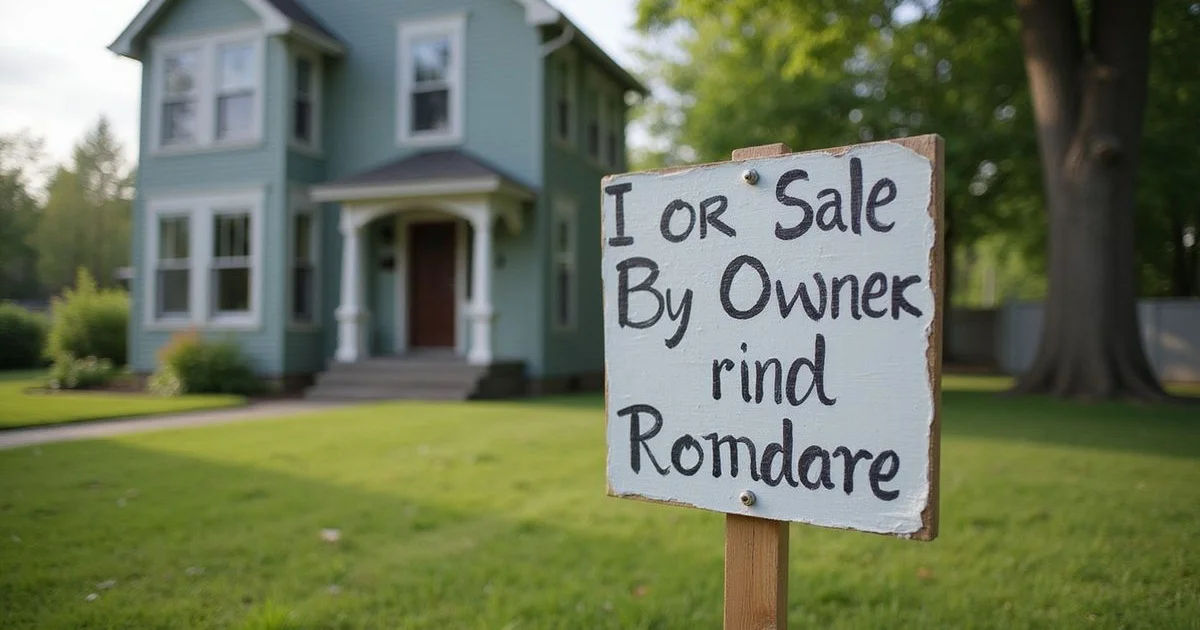
Our professional service team constantly sees postcards and text messages flooding the mailboxes of local property owners. You might be looking at a postcard right now and wondering, is a we buy houses duluth legit operation actually out there? The truth is, many of these solicitations are legal, but even legitimate investors write contracts to protect their own bottom line.
That leaves you holding the bag if you do not know exactly what to look for.
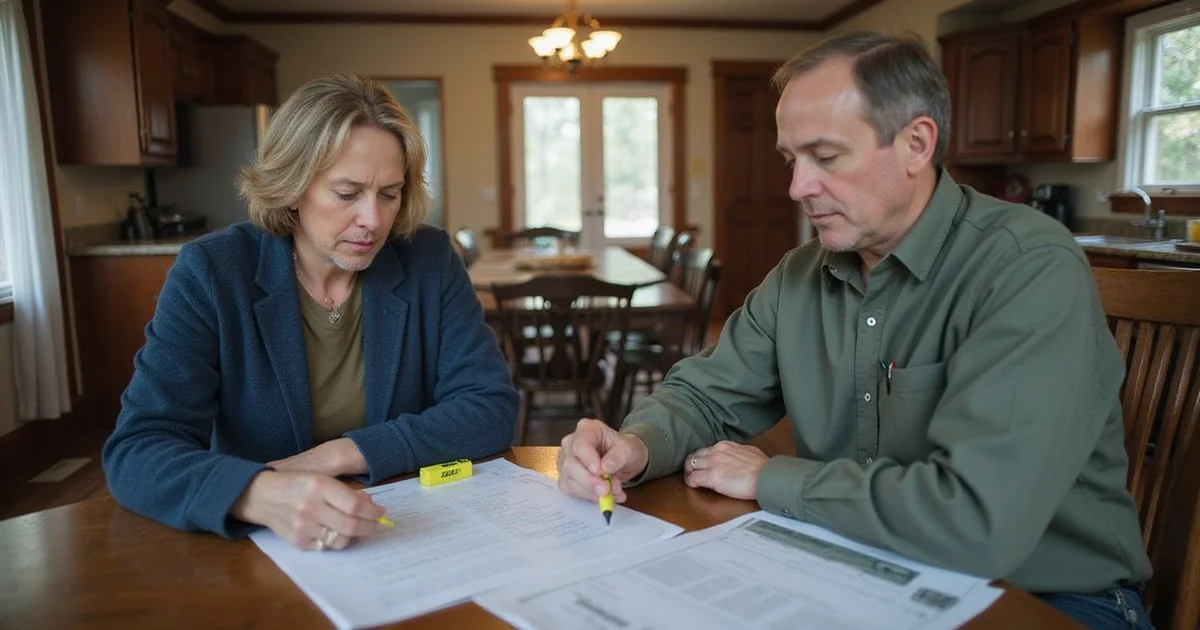
A second set of eyes and a side-by-side net sheet is exactly what a cash offer comparison provides. Let’s break down the data behind these contracts, explore the hidden clauses, and walk through a checklist to protect your equity.
1. Proof of funds
A real cash buyer can immediately produce documentation proving they have the liquidity to close the deal. We always verify a proof of funds cash buyer by demanding a recent bank statement or a certified lender letter. The document must be dated within the last 30 days and clearly show enough liquid assets to cover the purchase price plus closing costs.
A letter printed on the buyer’s own corporate letterhead does not count as proof. Your best defense is verifying the name on the bank account perfectly matches the buyer’s name on the purchase agreement. If a buyer hesitates or refuses to provide third-party validation, you should pause the transaction.
- A recent bank or brokerage statement
- A letter from a lender showing approved funds
- A certified verification of deposit from a recognized financial institution
2. Earnest money
Earnest money acts as a financial security deposit that proves a buyer is committed to the transaction. Our standard practice is to secure 1 to 3 percent of the purchase price for this deposit. For a $200,000 property in Minnesota, you should expect a deposit between $2,000 and $6,000.
A measly $100 deposit is a massive warning sign. We strongly recommend having a neutral third party like Arrowhead Abstract & Title or another licensed company hold these funds. Look at these specific details before signing:
- The exact amount. Ensure it aligns with the 1 to 3 percent Minnesota standard.
- The escrow holder. Never let the buyer hold the money directly.
- The non-refundable date. Also known as going hard, this date dictates when the money becomes yours if they cancel.
3. Inspection outs and walk-away clauses
Almost all cash contracts contain an inspection period, allowing the buyer to cancel or negotiate a price drop. We advise sellers to strictly limit this window to 5 or 10 days. Allowing a 30-day inspection period effectively ties up your home while the buyer shops the deal around.
Vague contract language giving them the right to cancel for any reason is a major risk. A common tactic involves locking in a high initial price, only to demand a $20,000 reduction after the inspection. This aggressive renegotiation completely alters your expected net profit.
- Long inspection periods of 30 days or more
- Broad language permitting cancellation for any reason
- A documented history of aggressive post-inspection price drops
4. Assignment clauses
An assignment clause allows a wholesaler to sell your signed contract to a different end buyer for a profit. We see this frequently when the words “and/or assigns” appear next to the buyer’s name, or a section explicitly allows assignment. Real estate data for 2026 shows that typical assignment fees average between $10,000 and $13,000 nationwide.
This fee represents pure equity that gets subtracted from your potential payout. Wholesaling is legal, but it introduces uncertainty because you do not know the actual end buyer. Watch out for these specific drawbacks:
- You remain in the dark about the identity of the final owner.
- The wholesaler’s fee cuts directly into what you could have been paid.
- The original buyer can easily cancel if they fail to locate an investor.
You hold the right to strike the assignment language completely or require your written approval for any transfer.
5. A real title company closing
A legitimate sale will always close through an established, licensed title company. We rely on professionals at local companies like Pioneer Title Twin Ports to ensure a secure transfer. The title company legally holds the earnest money in escrow and performs a rigorous search to clear any liens.
They handle the complex deed recording and guarantee you receive your payout through a verified settlement statement. Never sign a deed at a kitchen table or skip the formal title process. A proper closing requires the following protections:
- Holds earnest money securely in an escrow account
- Checks title history and pays off your existing mortgage
- Handles the official deed and county recording
- Pays you directly through a proper settlement statement
The local landscape adds another layer to your closing process. We always remind sellers that over 43 percent of homes in Duluth were built before 1940. Aging infrastructure requires specific local compliance.
One more check
Ask how the buyer handles the Duluth sewer inspection. It’s required at every Duluth sale (City Code 43-33.4). A buyer who says it doesn’t apply to cash deals is wrong.
The Point of Sale Certificate fee in Duluth is $115. If your older home fails due to inflow and infiltration issues, you might need a sump pump installed. The city offers grants up to $2,150 to help cover these exact remediation costs.
Other cash offer red flags
Predatory buyers often use high-pressure tactics or make promises they cannot legally keep. We recommend watching out for several specific warning signs before signing anything, especially if you are asking yourself, is we buy houses legit? Be extremely cautious of sight-unseen offers that promise an unusually high price, as these almost always result in massive cuts later.
- Pressure to sign a contract today.
- Offers sight unseen with a price that seems too good, followed by a big cut later.
- Requests for you to pay fees up front.
- Offers to let you stay in the home if you deed it over now. If you are behind on payments, Minnesota’s Foreclosure Reconveyance Act (Minn. Stat. ch. 325N) applies to these arrangements. Talk to an attorney.
This state law specifically regulates rent-back agreements to protect vulnerable sellers from equity stripping. We advise anyone facing foreclosure to speak with qualified legal counsel before signing over a deed.
How do I compare it with listing?
Once you verify an offer is real, you must evaluate the proposal based on your final net profit rather than the top-line price. Our team suggests putting the cash offer next to a traditional market estimate to see the real numbers. The how cash buyers calculate offers guide explains where their specific number comes from.
A proper comparison must include the Minnesota state deed tax, which costs $3.30 per $1,000 of the sale price. You must also factor in realtor commissions, standard title fees, the $115 Duluth sewer certificate, and your ongoing holding costs. Putting these figures side by side reveals the true cost of convenience.
| Expense Type | Typical Cash Offer | Traditional Market Sale |
|---|---|---|
| Agent Commissions | $0 | 5 to 6 percent of sale price |
| Minnesota Deed Tax | Paid by seller ($3.30 per $1,000) | Paid by seller ($3.30 per $1,000) |
| Duluth Sewer Certificate | Varies by contract | Seller pays $115 inspection fee |
| Repair Costs | $0 (Sold as-is) | Seller pays for required fixes |
Sometimes a direct sale provides the most efficient solution. If the math works in your favor, take it with a clean contract. When the traditional route yields a significantly higher net profit, you will know before you have signed anything. Answering the core question, “is a we buy houses duluth legit company making this offer?”, gives you the confidence to make the right choice for your equity. Take the time to generate that side-by-side net sheet today.
This guide is general information about selling a home in Duluth and Minnesota. It is not legal or tax advice. Rules and fees change, so confirm details with the City of Duluth, your county, your title company, an attorney or a tax professional as needed.