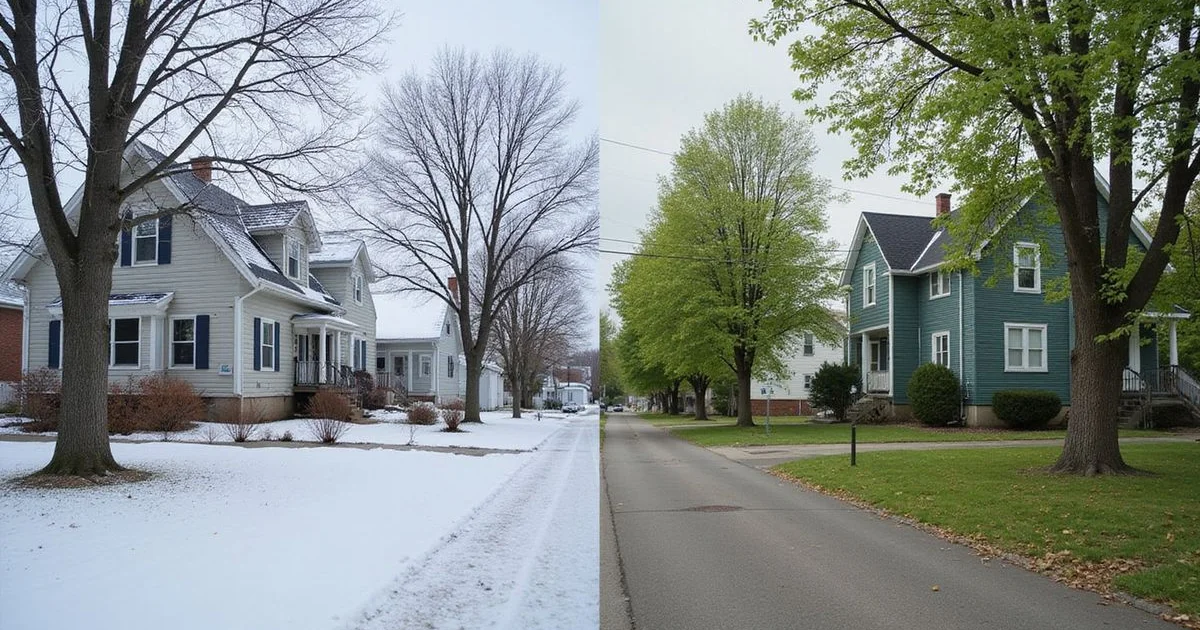
Can you sell a property with a septic system in winter?
Yes, you can successfully execute a septic inspection frozen ground sale during the winter months. We regularly guide owners of older Duluth homes through this exact hurdle.
Because of the cold, a standard winter septic inspection minnesota buyers request is physically impossible.
Our standard playbook relies on the St. Louis County transfer agreement process to keep the deal moving forward. This legal workaround requires full escrow and sets a firm June 1 deadline for the final evaluation.
We consider planning for this weather delay a mandatory part of preparing for cabin and acreage sales. Confirm the current Subsurface Sewage Treatment System (SSTS) Ordinance 61 rules before you list the property.
How does the winter process work?
The winter process bypasses the immediate inspection requirement by replacing it with a formal financial holdback. We handle the paperwork steps carefully to ensure nothing stalls at the closing table.
St. Louis County enforces SSTS Ordinance 61, which dictates exactly how these delayed inspections function (the standard process is covered in our St. Louis County septic inspection at sale guide). A licensed Minnesota Pollution Control Agency (MPCA) inspector must document that the ground is completely unworkable.
Our team ensures the proper sequence is followed. Here is the step-by-step breakdown:
- The inspection gets postponed because frozen topsoil prevents soil borings or tank access.
- A Form 3030 Transfer Agreement is drafted and signed by both the buyer and seller.
- Full escrow is held, usually by the title company, based on a replacement estimate.
- The sale closes on schedule.
- The MPCA-certified inspection happens by June 1, per the county deadline.
- Escrow is released according to the signed agreement, either back to the seller or directly to an excavation contractor for repairs.

What does “full escrow” mean for me?
Full escrow means 100 percent of the estimated replacement cost gets subtracted from your sale proceeds at the closing table. We emphasize this number because it often surprises sellers who have not planned ahead.
The county requires an official estimate from an MPCA-licensed contractor to set this specific dollar amount. The escrow account freezes these funds, leaving you without access to that cash until the final June inspection clears the property.
Our clients often face steep estimates because many Duluth properties sit on shallow soil or solid bedrock. A traditional gravity trench system might cost $8,000, but an engineered mound setup can easily demand a $15,000 to $25,000 holdback.
| Item | What to expect in St. Louis County |
|---|---|
| Inspection | Postponed until the ground thaws |
| Deadline | A firm June 1 limit under Ordinance 61 |
| Estimate | Provided by a licensed MPCA contractor |
| Escrow | Held at closing, usually by the title company |
| If it passes | 100% of escrow released back to the seller |
| If it fails | Funds go directly toward mandated repairs |
How do buyers feel about it?
Buyers generally feel nervous about delayed inspections because unknown repair costs threaten their budget. We counter this hesitation by presenting a thorough, transparent maintenance history.
Minnesota winters subject concrete tanks to aggressive freeze-thaw cycles that can crack lids or damage surface risers. Smart buyers know that a system that worked flawlessly in August might reveal problems by April.
Our best defense against buyer anxiety is a stack of official documentation. You can put their minds at ease by sharing these specific items:
- Installation permits and original system design schematics
- Recent pumping records from a licensed service
- Previous compliance certificates or MPCA correspondence
- A written timeline of how the system performs during high-use weekends
Plan before freeze-up
If you think you’ll sell in winter, try to get the septic inspection done in fall, before the ground freezes. A compliance certificate covers future sales for a period set by the county, which can make a winter sale much simpler.
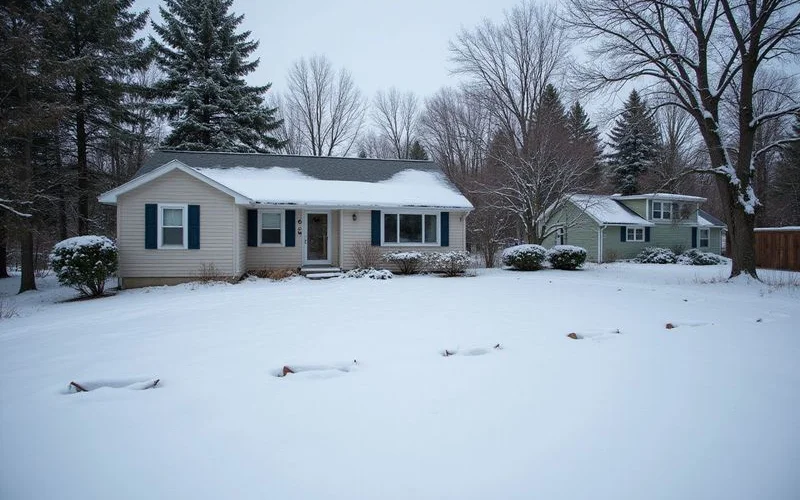
Other winter considerations for rural sales
Selling a rural property in winter requires constant snow management and early testing coordination. We focus on keeping the property completely accessible so buyers can verify the structural condition without wading through snowdrifts.
The Duluth housing market stays active all winter, with city median home prices hovering between $215,000 and $265,000. Protecting that value means showing buyers the property functions perfectly even in freezing temperatures.
When you decide to sell cabin in winter markets, our preparation checklist includes a few extra mandatory steps:
- Access: Keep the driveway plowed, paths clear, and the septic risers visible for showings.
- Well water tests: Schedule these early, as VA and FHA loans require samples collected by an uninterested third party.
- Visuals: Provide summer photos of the land, the lake, and the exact drainfield location.
- Seasonal roads: Confirm year-round plowing schedules and clearly define who maintains the private township roads.
Should I wait for spring?
Waiting for spring brings more buyer competition and allows for a standard, immediate septic evaluation. We weigh this decision carefully against the unique demands of each property owner.
Winter listings attract fewer casual shoppers and capture buyers who are highly motivated by job relocations or life changes. Selling now requires the Form 3030 escrow plan, but it eliminates the stress of maintaining a vacant property until May.
Our comprehensive best time to sell guide breaks down the exact seasonal data for the Duluth area. With a clear septic escrow agreement in place, a winter cabin sale is a highly effective strategy.
Call a licensed MPCA inspector today to start mapping out your winter listing timeline.
This guide is general information about selling a home in Duluth and Minnesota. It is not legal or tax advice. Rules and fees change, so confirm details with the City of Duluth, your county, your title company, an attorney or a tax professional as needed.