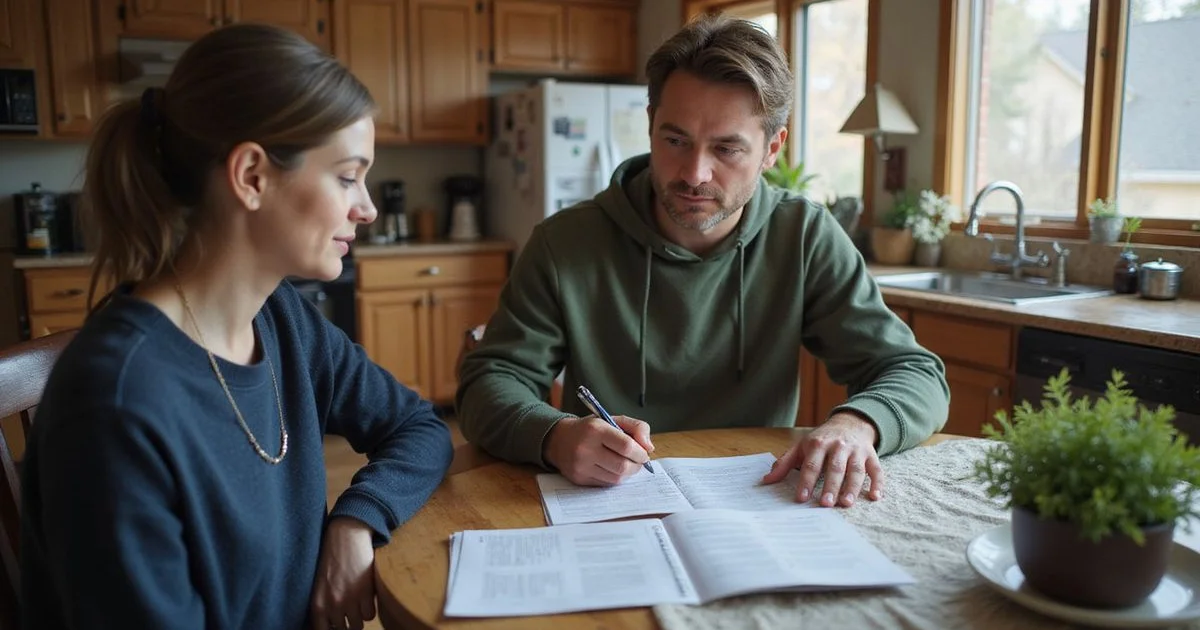
We see a lot of sellers assume their closing is ready to go, only to hit a wall over a missing piece of paperwork.
That single missing document is often the well disclosure certificate. It is the dividing line that separates a smooth transaction from a delayed one.
Our team has handled countless acreage properties, and we know exactly how to keep things on track. Dealing with a well disclosure minnesota requirement might seem tedious.
Lenders check these details very closely, and county recorders will not finalize the deed without them. We will break down exactly what the law requires, explain the costs, and walk through the exact steps to clear this hurdle.
This guide is a routine part of cabin and acreage sales, providing general information rather than legal advice.
What do Minnesota sellers have to disclose about wells?
The state mandates that sellers provide information on all known wells on the property. Minnesota Statute 103i.235 explicitly requires a written disclosure before signing a purchase agreement. This applies whether the water source is currently in use, not in use, or permanently sealed.
Our experience shows that buyers appreciate full transparency right from the start. Failing to provide this information creates a massive roadblock at the closing table. A county recorder is legally prohibited from recording the deed if the well disclosure certificate is missing.
This means your sale stops completely until the paperwork is filed. We always advise gathering this information before you even list the house. Check your property records for past filings to see if anything needs updating. Our recommendation is to have these details ready to hand over to interested buyers immediately.
What goes in the well disclosure?
You need to provide specific details for each known well on the land. The required information must be accurate and clearly documented on the official state form. We help clients gather the necessary data to avoid common errors.
- Its exact location on the property, including a map
- The current status, noting if it is in use, not in use, or sealed
- The legal description and county where the well resides
- Basic information you know about its history or construction
The well disclosure certificate minnesota requires is a standardized document. Your title company typically helps prepare it for recording with the deed at closing. We remind sellers that the county charges a $54 filing fee for this certificate. Factoring this small cost into your closing estimates is a smart move.
What about unused wells?
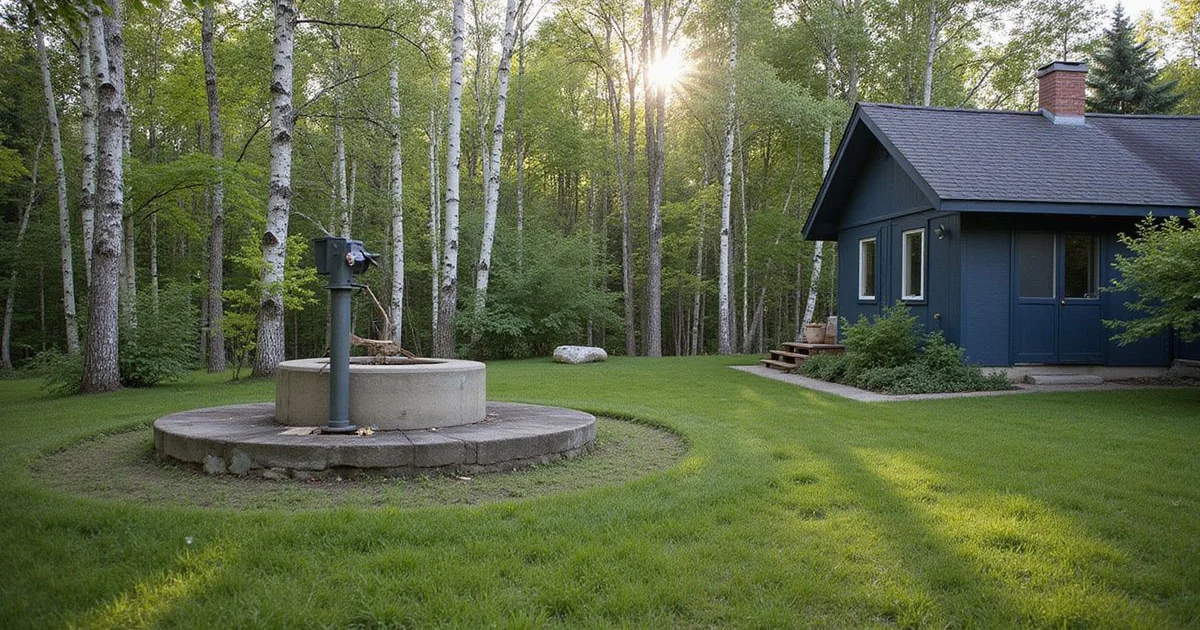
You must disclose every single old or unused well you know about. Old water sources are incredibly common on rural properties around Duluth, from hand-dug farmhouse setups to abandoned casings behind barns.
Our clients often uncover these hidden features when clearing brush or reviewing historical surveys. Pre-1940 properties, for example, frequently have older drive-point or sand-point wells tucked away on the lot.
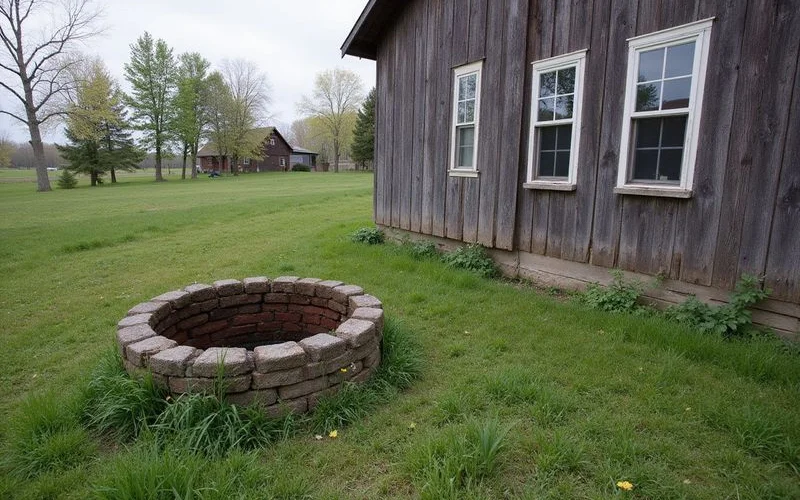
Unused setups may need to be sealed by a licensed contractor under state rules, because they can let contamination reach groundwater. We stress the importance of honesty here, as the consequences for hiding information are severe.
A buyer has six years after the purchase to bring a lawsuit against a seller who fails to disclose a known well. A judge can hold the seller liable for the cost of sealing it, plus attorney fees. Checking with the Minnesota Department of Health or a licensed contractor about your specific situation is the best way to protect yourself.
Not sure if there’s an old well?
Check old surveys, county records and the property’s history. If you find signs of one, mention it. Saying “possible old well near the barn, location uncertain” is better than leaving it off.
What water tests do buyers request?
Testing is not strictly required by the state disclosure law, but it is a highly common request during a transaction. Many lenders require a passing well water test home sale document before approving a loan.
We see this constantly with FHA or VA financing. Testing before you list avoids surprises and gives you time to fix any issues.
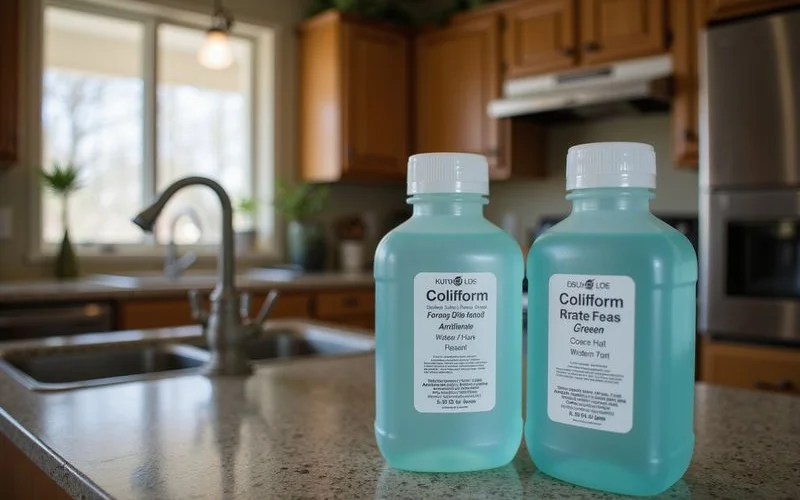
The Minnesota Department of Health strongly recommends testing for a few specific contaminants. A standard panel usually costs around $125 at a certified lab. Our standard practice is to encourage sellers to test for these three main items:
- Coliform bacteria: This checks for bacterial contamination that can cause illness.
- Nitrate: High levels are especially dangerous for households with infants.
- Arsenic: This element is naturally present in some local groundwater, and many buyers will ask for this specific check.
If a test comes back with high bacteria levels, the solution is usually straightforward. Shock chlorination is a simple, inexpensive fix that flushes the system. We suggest treating the system and then scheduling a retest a few days later to ensure it passes.
When does all this happen?
You should gather well records before listing and provide the disclosure before signing a purchase agreement. Timing is everything when preparing a property for the market.
Gathering the right documents early saves everyone from unnecessary stress. We use this timeline to keep sellers on track.
| Step | Timing |
|---|---|
| Gather well records | Before listing |
| Water test, if you choose | Before listing or early in the sale |
| Well disclosure to buyer | Before purchase agreement |
| Well disclosure certificate | Prepared for closing with the deed |
Can a buyer waive it?
No, a buyer cannot waive this specific legal requirement. Minnesota law does allow a written waiver of general material-fact disclosure in some very specific cases. We have a detailed breakdown of these exceptions in our Minnesota seller disclosure rules.
That general waiver simply does not cover the obligations under statute 103I.235. The state considers groundwater protection a public health issue, making this form mandatory.
Our team ensures this form is completed regardless of how the property is being sold. Even if a property is sold “as is” or is a bank-owned foreclosure, the document must still be filed.
Wells and septic often go together
Most properties relying on a private water supply also utilize a private septic system. In St. Louis County, a strict point-of-sale septic compliance rule applies to these waste systems under Ordinance 61. We handle both inspections simultaneously to speed up the pre-listing phase.
Minnesota law also requires a separate septic disclosure alongside the water documents. Prior to the sale or transfer of a property with a dwelling, the county requires proof of a compliant septic system.
Coordinating Your Inspections
Scheduling your well water test and your septic compliance evaluation for the same week prevents delays. A valid “Certificate of Compliance Existing System” is required by the county before transferring the deed.
You will need a valid certificate, which is good for three years. We tell sellers that if the system fails, they may be required to upgrade it or put funds in escrow before closing. Planning both evaluations together saves time and prevents unexpected expenses.
A quick checklist
Keeping track of these requirements ensures a smooth transaction. This list covers the essential steps for rural property sellers. We recommend printing this out and crossing items off as you go.
- List every known well, whether it is used or not.
- Find old logs and maintenance records if you have them.
- Test water for coliform and nitrate, plus arsenic if desired.
- Ask a licensed contractor about sealing any unused equipment.
- Check St. Louis County Ordinance 61 requirements for your septic system.
- Work with the title company to finalize the well disclosure certificate.
Private water sources are a normal part of selling rural property around Duluth. Clear records and honest communication make them a non-issue for most buyers.
If you need help coordinating these inspections, give our office a call today.
We know that following these steps leads to a successful, delay-free closing.
This guide is general information about selling a home in Duluth and Minnesota. It is not legal or tax advice. Rules and fees change, so confirm details with the City of Duluth, your county, your title company, an attorney or a tax professional as needed.