
Do you need a septic inspection to sell a home in St. Louis County?
Yes, if the property operates on a private septic system. We know that handling an older Duluth home sale usually involves a few extra hurdles. The required paperwork is often the biggest task for rural properties.
As a professional service team, we see this exact scenario every single week. Securing a passing septic compliance certificate minnesota style relies on understanding local rules before listing. Key compliance targets include:
- Verifying the tank size and condition.
- Probing the soil treatment area.
- Filing the required county paperwork.
Setting things up in advance prevents delays at the closing table.
We recommend planning this step early as a major part of cabin and acreage sales. Let’s review the actual county data and explore practical ways to respond.
Where does this apply?
This rule applies to most homes located outside the city sewer lines in St. Louis County. We regularly verify compliance for properties in townships like Midway, Canosia, and Grand Lake. Ordinance 61 enforces these exact regulations for lake areas like Pike Lake and Island Lake, plus parts of Hermantown and Rice Lake.
Our clients on the Duluth city sewer follow the separate city building sewer inspection instead. Neighboring Carlton and Lake counties run entirely independent programs. We verify the specific jurisdiction for every single property before listing it.
The St. Louis County rules specifically target areas relying on Subsurface Sewage Treatment Systems. Properties requiring an inspection include:
- Rural acreage properties without municipal connections.
- Older cabins in northern unorganized territories.
- Lakefront homes in sensitive shoreland districts.
- Properties undergoing a contract for deed transfer.
How does the st louis county septic inspection property sale process work?
A state-licensed SSTS inspector physically examines your tank and drainfield to evaluate its functional condition. We always advise clients to clear brush away from the tank lids before the visit. The inspection follows a strict state protocol to determine safety and compliance.
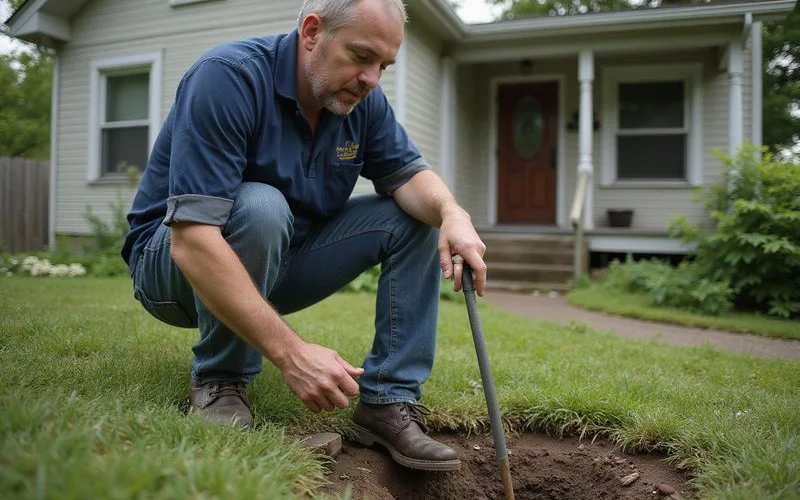
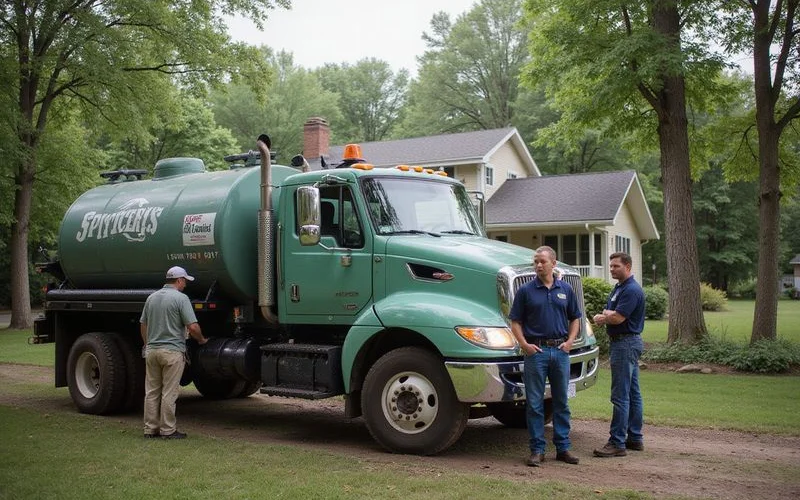
Our preferred contractors usually charge between $350 and $600 to pump a standard 1,000 to 1,500-gallon tank and conduct the test. Pumping is required during the visit or done just before. We strongly suggest confirming your inspector pumps from the main maintenance hole rather than the smaller inspection pipe.
Improper pumping leaves solid waste behind in the tank. You will also need to pay a $40 compliance fee to the St. Louis County Auditor. Our staff reminds sellers to have past pumping records and original installation permits ready for the inspector.
The licensed professional completes these specific steps:
- Locates the tank and drainfield using county permit records.
- Checks the tank’s condition and measures sludge levels.
- Evaluates the soil treatment area, often using a soil probe.
- Looks for signs of failure, like surfacing sewage or active backups.
- Issues a formal compliance report and submits it to the county.
What if it passes?
The county issues a Certificate of Compliance Existing System that remains valid for three years. We make sure this official document travels securely with the sale paperwork. Buyers and lenders will absolutely demand a copy before approving the mortgage.
Our title partners suggest keeping the original report permanently with your closing documents. For newly installed systems, that certificate actually stays valid for ten full years. We upload digital copies of these passing reports to the MLS so buyers see them immediately.
What if it fails?
A failed inspection generates a Notice of Noncompliance, but it rarely ruins a sale. We routinely help sellers manage non-compliant systems by adjusting the deal structure. The St. Louis County SSTS Ordinance 61 gives homeowners specific timelines for mandatory upgrades.
Our experience shows that systems classified as an Imminent Threat to Public Health require abatement within 10 days and complete replacement within 10 months. Standard non-compliant systems have a 12-month replacement window for sensitive shoreland properties and a 24-month window for inland homes. We explain these timelines to buyers so they understand the exact deadlines.
Common resolution paths include:
| Resolution Option | Mechanics of the Deal | Ideal Scenario |
|---|---|---|
| Repair prior to closing | Seller pays for and fixes the system outright | Ground is thawed and closing is 60+ days out |
| Buyer credit | Buyer receives closing funds to handle the work later | Buyer wants control over the new system design |
| Escrow holdback | 150% of the bid is held by title until work finishes | Winter prevents work or contractor schedules are full |
Get two or three bids from licensed installers quickly. We find that having hard numbers makes contract negotiation much easier for everyone. St. Louis County offers low-interest loans up to $50,000 at a 3% interest rate for required septic repairs. Our clients frequently use these programs to fund unexpected system replacements.
What about winter sales?
If frozen ground prevents the inspection, St. Louis County allows a winter Transfer Agreement with full escrow. We process these documents frequently because heavy snow covers the region for nearly half the year. This agreement legally pushes the mandatory ssts inspection sale deadline out to June 1.
Our selling a septic property in winter guide explains exactly how that process functions. The county requires holding funds in an escrow account to guarantee money exists if the system eventually needs a full replacement. We always coordinate with the title company to ensure these funds sit securely during the freeze.
A common surprise
Holding tanks, older systems on small lots, and systems near lakes often raise extra questions. Properties near Pike Lake or other sensitive shorelands face stricter 12-month replacement deadlines if they fail. If you own one of these systems, gather every record you can find and get the inspection done early.
What do I disclose?
Minnesota requires sellers to provide a written septic disclosure 115.55 form before a buyer signs a purchase agreement. We provide this mandatory document right alongside the standard property condition forms. State law dictates this disclosure must clearly include:
- A legal description of the property.
- A rough map showing the exact system location.
- A statement regarding the system’s compliance status.
Our legal contacts emphasize that a written waiver of general disclosure does not legally waive this specific septic requirement (Minn. Stat. 513.60). Buyers have two full years from the closing date to sue for upgrade costs and attorney fees if a seller hides known septic issues. We require sellers to state clearly if the system is a holding tank and to share all recent pumping records.
Wells usually come with septic
Most rural septic properties also rely on a private well for their drinking water. We typically align the water testing schedule directly with the septic pumping date for pure convenience. Minnesota law strictly requires a specific well disclosure and a well certificate filed with the property deed (Minn. Stat. 103I.235).
Our buyers almost always ask for coliform bacteria and nitrate water tests to confirm basic water safety. Failing a water test requires immediate chlorination and retesting. We suggest handling these water tests early to prevent delays with the lender.
A septic sale checklist
Following a structured timeline guarantees you will meet all local regulations without delaying your scheduled closing. We use a standardized preparation checklist to keep every rural Duluth transaction completely on track.
- Confirm the county’s current requirements under Ordinance 61 for your specific property address.
- Gather past installation permits, pumping invoices, and the required system map for the buyer.
- Schedule an MPCA-licensed inspector when the ground conditions allow for accurate soil probing.
- Get three contractor bids if the system fails, then decide to fix, credit, or escrow the funds.
- Complete all required septic and well disclosures before signing a formal purchase agreement.
- Share the official passing certificate with the buyer and the title company prior to closing.
Septic steps take a little planning, but they operate as routine procedures on rural sales around Duluth. Our proactive approach stops these standard compliance tests from becoming last-minute emergencies. Starting your st louis county septic inspection property sale research early protects your home’s full market value. We are ready to help you coordinate the entire evaluation process, so reach out today to get started.
This guide is general information about selling a home in Duluth and Minnesota. It is not legal or tax advice. Rules and fees change, so confirm details with the City of Duluth, your county, your title company, an attorney or a tax professional as needed.