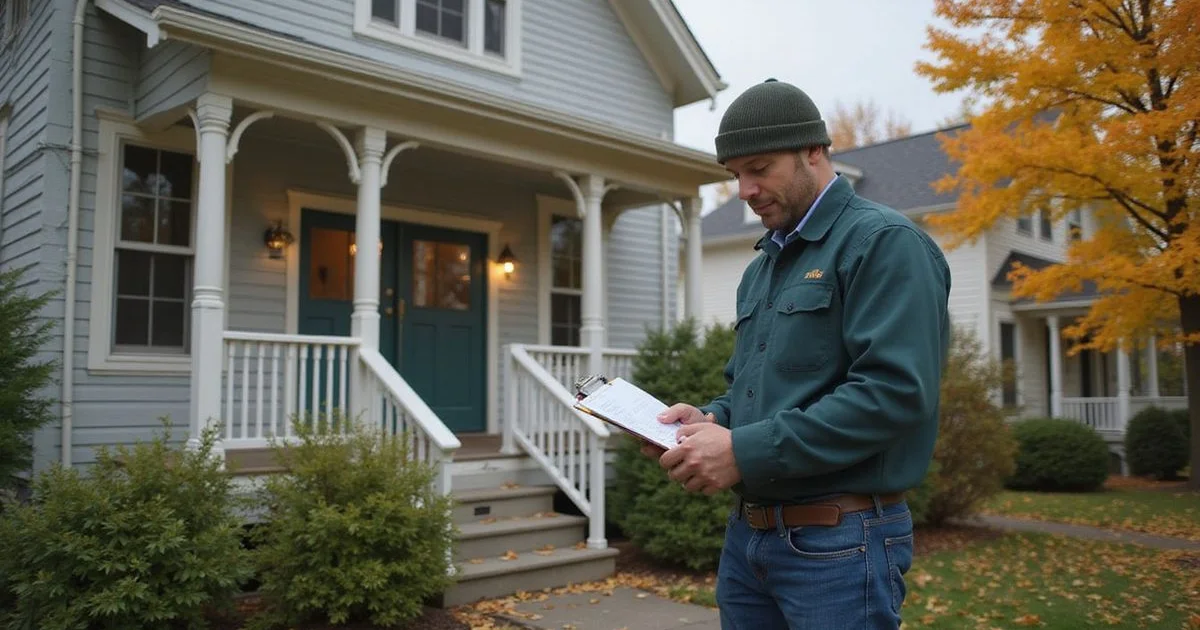
What happens if the appraisal comes in low?
Your sale is not automatically dead, because you have several solid options to bridge the gap. The buyer’s lender simply refuses to lend based on the full contract price, meaning the difference must be resolved.
We see this frustration all the time with older properties, especially when the local market moves fast. Industry data from early 2026 shows that roughly 8.6% of home appraisals still come in below the agreed-upon price.
The reality of the gap This percentage represents real deals on the brink of falling apart, but the situation is highly fixable.
Our team recommends pricing from real comps with a home value report to lower this risk from day one.
Let’s break down why this discrepancy happens and explore the exact practical ways you can respond.
Why do appraisals come in low?
Appraisals come in low primarily because the appraiser cannot find recent, comparable sales to justify your contract price. An appraiser works for the buyer’s lender to ensure the property is worth the loan amount.
We often see this happen in historic areas where every house is unique. A home with an original stone foundation or boiler heat does not easily compare to a 1990s build down the street.
Automated Valuation Models (AVMs) used by lenders frequently struggle with these older Duluth neighborhoods due to sparse data. Fannie Mae guidelines require appraisers to use comparable sales within a tight radius, which leads them to flag reports with improbable distances.
Here is why your appraisal might fall short:
- The contract price outpaces the recent closed sales in a rising market.
- Good comparable sales are scarce, which is common for unique Duluth properties.
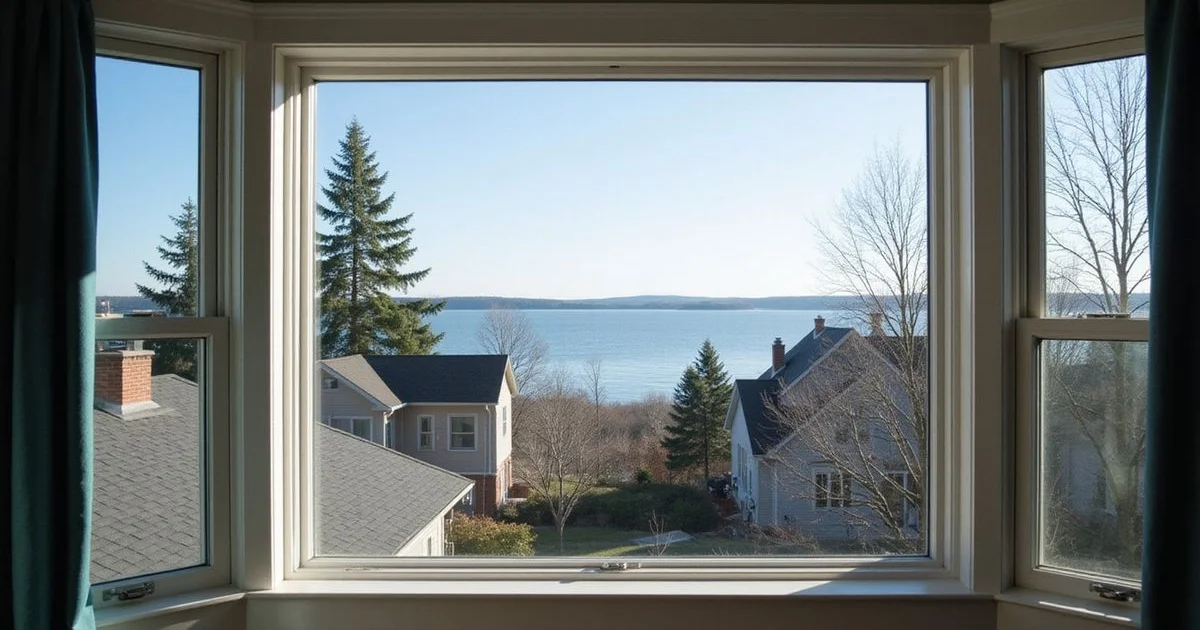
- The appraiser overlooks a premium feature, like a lake view or an updated boiler.
- Factual errors occur regarding square footage or bedroom count.
Option 1: Challenge it with better comps
You can formally request a Reconsideration of Value (ROV) through the buyer’s lender to challenge the appraisal. This process works best when you can provide specific, closed sales the appraiser missed or correct factual errors in the report.
We recommend moving quickly on this option to keep your closing on track. In 2024, the Federal Housing Finance Agency (FHFA) and HUD implemented new, standardized ROV policies.
The FHFA update Lenders must now provide a clear, formal pathway for borrowers to appeal an appraisal, obligating them to review factual disputes.
Our team puts together a short, highly factual package for the lender. We provide comparable sales with photos, an explanation of missing adjustments, and a detailed list of your recent updates.

The key to success here is providing concrete, actionable data rather than just complaining about the final value.
Option 2: Renegotiate the price
Renegotiating the price is the most common and often the fastest outcome. You and the buyer agree on a new number, usually landing somewhere between the contract price and the appraised value.
We prepare a revised net sheet to show exactly what this new price leaves in your pocket. The market dynamics dictate how much you might concede.
A helpful rule for renegotiating We advise clients to weigh the cost of a minor price reduction against the carrying costs of putting the home back on the market.
In a highly competitive environment, sellers might only drop the price by a fraction. You are not obligated to drop the price to match the appraisal entirely.
Our experience shows that significant price drops usually happen when a property sat on the market for months prior to the offer. The negotiation starts fresh, and both parties must decide if the new terms make sense.
Option 3: The buyer covers the gap
The buyer can choose to bring extra cash to the closing table to cover the entire difference. This happens frequently when a highly motivated buyer wants to secure the property despite the lender’s valuation.
We see many competitive offers include an appraisal gap coverage clause right up front. Recent National Association of Realtors data indicates that cash-heavy buyers are a major force in the market, meaning buyers with equity often have the reserves to cover these gaps easily.
This option is most likely to succeed under specific conditions:
- The buyer included appraisal gap language in their initial offer.
- The property has multiple backup offers waiting.
- The buyer is relocating on a strict timeline.
Option 4: Split the difference
Splitting the difference offers a middle ground where both parties compromise to save the deal. You lower the purchase price partway, and the buyer covers the remaining balance in cash.
We find this is often the most practical solution when neither side wants to walk away. It preserves the goodwill of the transaction while sharing the financial burden.
Why we prefer this method The speed of this resolution is its biggest advantage, allowing the closing timeline to stay completely on track with just a simple addendum.
Our experts have negotiated many of these splits, and they do not have to be exactly equal. You might reduce the price by $5,000 while the buyer brings $10,000 in cash, depending on everyone’s financial limits.
Option 5: A new appraisal or a new buyer
You can sometimes request a second appraisal or let the current buyer cancel so you can return to the market. Switching lenders can trigger a new appraisal, but this process adds weeks to your timeline.
We must caution sellers about the strict rules attached to government-backed loans. A 2022 HUD Mortgagee Letter extended the initial validity period for FHA appraisals, meaning any new FHA buyer within 180 days is bound by that exact same low number.
Reviewing backup offers is always the best move before choosing to go back on the market. If you cannot reach an agreement and the buyer has an appraisal contingency, they can cancel the contract and retrieve their earnest money.
| Option | Your price | Timeline | Best when |
|---|---|---|---|
| Reconsideration | May hold | Adds days | Strong comps the appraiser missed |
| Renegotiate | Lower | Fast | Appraisal is close to market |
| Buyer covers gap | Holds | Fast | Buyer has extra cash |
| Split the difference | Partly lower | Fast | Both sides want to close |
| New buyer | Varies | Weeks | Strong backup interest |
How do I avoid a low appraisal?
You cannot control the appraiser, but you can actively lower your risk by preparing thoroughly. Pricing your home accurately from the start is the most effective defense against a low valuation.
We highly recommend being proactive during the appraiser’s visit. Appraisers often miss unseen mechanical upgrades in older Duluth homes, so you should provide a comprehensive packet that highlights every improvement. For example, if you utilized Minnesota Energy Resources rebates to install a modern heating system, the appraiser needs those exact dates and costs.
Take these concrete steps to support your home’s value:
- Price from closed sales. A list price supported by real comps is much easier to appraise.
- Document updates. Give the appraiser a list of improvements with dates and costs, including the roof, furnace, windows, and sewer work.
- Point out what records miss. Highlight specific features like lake views, finished basements, and new systems.
- Make access easy. Ensure clear paths to the basement, attic, and mechanicals so the appraiser can verify condition.
The connection
Most low appraisals start with a price that ran ahead of the comps. Pricing right on day one, as covered in overpricing your home, is the best prevention.
What if the buyer is paying cash?
Cash buyers usually do not need an appraisal to close the transaction. This exemption is one reason cash offers are so attractive and can close much faster than financed deals.
We track market trends closely, and recent National Association of Realtors data shows that all-cash sales account for roughly 30% of the market. These buyers rely on their own funds, completely bypassing the lender’s valuation requirements.
The reality of cash offers A cash buyer can still write an appraisal contingency into the contract if they want an independent verification of value.
Our sellers often jump at cash offers for the certainty they provide. You should always compare the final net profit, because sometimes financed offers come in significantly higher.
A low appraisal is stressful, but it is a highly solvable problem. The key is to respond quickly, present hard facts, and know your absolute bottom line before negotiations begin.
We suggest reviewing your home’s unique features now so you are prepared for whatever the market brings.
This guide is general information about selling a home in Duluth and Minnesota. It is not legal or tax advice. Rules and fees change, so confirm details with the City of Duluth, your county, your title company, an attorney or a tax professional as needed.