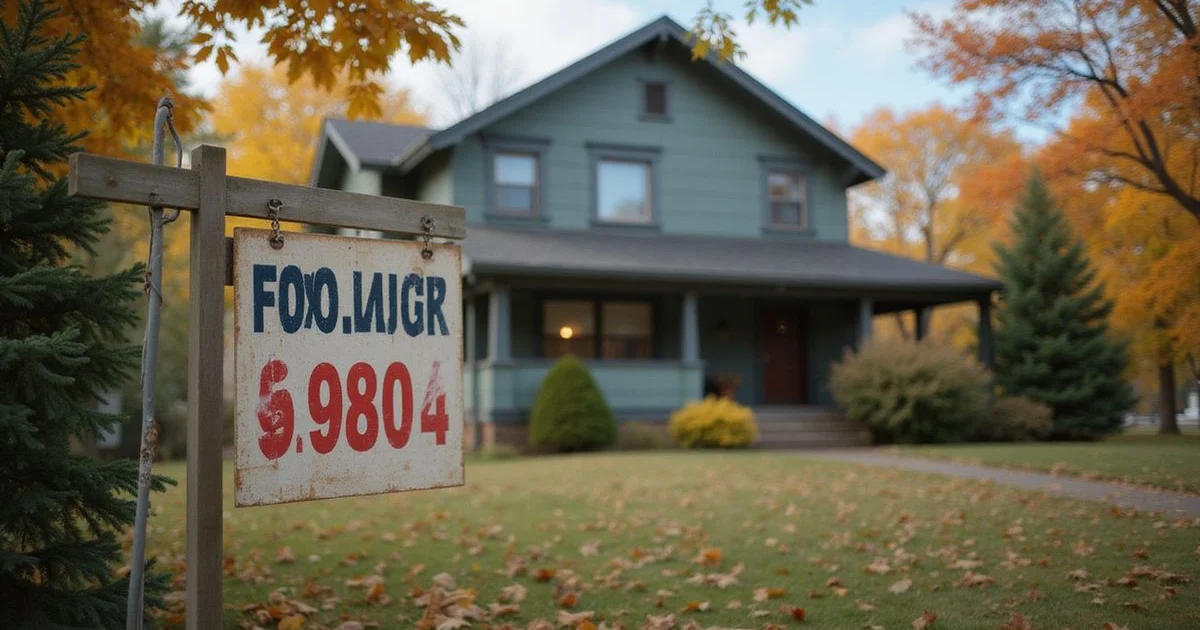
You lose the most critical momentum of your entire sale.
We see this happen constantly with an overpriced house not selling in today’s market. A written home value report provides the best defense against this common mistake. Redfin tracked Duluth properties in August 2026 and found correctly priced homes selling in a median of just 15 days.
Our team understands you love your property and want room to negotiate. This strategy usually backfires because buyers facing 7% mortgage rates are extremely payment-conscious right now. Let’s look at the hard numbers and explore practical ways to respond.
The first two weeks matter most
Your highest volume of buyer traffic happens immediately after hitting the MLS. The system instantly alerts every active buyer whose search criteria match your property.
We watch showing requests peak within those first 14 days. After that initial surge, new buyers only trickle in as they enter the market.

If your asking price sits too high during that crucial window, several problems occur. Active listings across the U.S. grew by 5.4% heading into fall 2026, meaning buyers have more choices available.
Our local market analysis shows exactly what happens next:
- Ready buyers skip scheduling a tour entirely.
- Visitors compare your property unfavorably with better-priced alternatives.
- Agents advise their clients to wait for a price reduction house.
- The property accumulates days on market.
Price cuts and the stale-listing problem
Stale listings invite lowball offers and heavy skepticism from potential buyers. After a few weeks of minimal activity, a reduction becomes completely unavoidable.
Buyers immediately notice the climbing days on market. They naturally assume something is physically wrong with the property, even if the only flaw was the initial price tag.
We tracked a recent Redfin report showing 21.1% of U.S. sellers cut their asking prices in September 2026. This record high for the season proves how quickly the market punishes overly ambitious pricing.
The pattern
Overpriced homes often end up selling for less than they would have if priced right on day one, and they take longer to do it.
Any later offers usually come in significantly below asking. Buyers also demand more concessions or repairs because they feel they hold the upper hand.
The appraisal ceiling
A high contract price means nothing if the bank’s appraiser disagrees. Most buyers use a mortgage, and lenders strictly cap their loans based on independent valuations.
Our recent transactions show appraisers are heavily scrutinizing older properties right now. If the appraiser cannot find closed sales to justify your number, the valuation comes in low.
The industry is also preparing for a massive shift to the new Uniform Appraiser Data Set (UAD 3.6) by November 2026. This data-driven system forces appraisers to be even more rigid with their comparable sales.
We see three common outcomes when an appraisal gap occurs:
- The seller lowers the cost to match the appraised value.
- The buyer pays the financial difference in cash.
- The entire transaction collapses completely.
See our guide on a low appraisal: what sellers can do to explore your options if this happens.
Why fall 2026 makes this more important
Fall 2026 features more competing Duluth listings than any recent autumn. Buyers hold more leverage, and they are quick to dismiss anything that looks expensive.
Our market analysis points to three specific reasons day-one pricing matters more now:
- National mortgage rates remain above 7%.
- Active housing inventory is creeping back to pre-pandemic levels.
- Buyers are incredibly sensitive to their monthly payment limits.
You must capture attention instantly to secure full market value. A list price too high simply drives your best prospects to the competition.
How do I know my home is overpriced?
The market provides clear, undeniable feedback within the first 14 days. Silence from buyers is the loudest indicator that your number missed the mark.
We always advise sellers to watch for specific warning signs during those initial two weeks. If you notice these patterns, you need to adjust quickly.
Watch for these common red flags:
- High online traffic but very few scheduled showings
- Multiple tours completed but zero written offers submitted
- Direct feedback comparing your property to a cheaper alternative
- Neighboring houses going under contract while yours sits active
A minor price correction at two weeks produces better results than a massive cut at two months. Buyers still view the property as relatively fresh during that early window.
Our team recommends acting fast before the listing grows completely stale. Time is your biggest enemy when trying to correct a pricing mistake.
How do I price right the first time?
You start by objectively comparing your property to recent closed sales in your immediate neighborhood. A realistic, data-driven approach guarantees you attract serious buyers right away.
Our pricing strategy relies on an honest assessment of current market conditions. Setting the right number requires looking at several different metrics.
Follow these proven steps to determine accurate value:
- Start with closed sales. Review what similar nearby houses actually sold for.
- Look at pending sales. These numbers show exactly where the market is heading.
- Know your competition. Identify the active listings a buyer will tour alongside yours.
- Adjust honestly. Account for condition, lot size, garage space, and modern updates.
- Think about the appraisal. Ensure recent closed sales will satisfy a strict appraiser.
- Factor in the season. Recognize that spring and winter buyers behave differently.
Pricing older homes in neighborhoods like Congdon Park or the East End requires special care. Buyers heavily discount properties with original 1920s plumbing compared to houses with modern, updated systems.
A written Comparative Market Analysis (CMA) handles all six steps and clearly shows the math. We provide a detailed net sheet to show exactly what each scenario leaves in your pocket.
What if I really need a certain number?
Hitting a specific financial goal requires a concrete plan, not just a hopeful asking price. If you need a certain number, you must evaluate what specific improvements will justify it.
We need to analyze the return on investment for any potential repairs or cosmetic updates. Sometimes, spending a little money upfront is the only way to reach your target.
Here are three strategies to explore:
- Strategic updates: Fixing known defects or updating old systems.
- Market timing: Waiting for the busy spring season to list.
- Seller concessions: Offering rate buydowns instead of dropping the final list price.
Our approach focuses on showing you the projected net proceeds for each option. The answer might involve a delayed timeline, or it might require a straight conversation about current market limits.
Either way, you will make your final decision using real, verifiable numbers. Our goal is to help you figure out how to price a house to sell without leaving money on the table.
You certainly want to avoid the stress of an overpriced house not selling. Contact us today to run the numbers and map out your best path forward.
This guide is general information about selling a home in Duluth and Minnesota. It is not legal or tax advice. Rules and fees change, so confirm details with the City of Duluth, your county, your title company, an attorney or a tax professional as needed.