What drives home values in Duluth?
Our team often hears from homeowners who are surprised by how quickly the local market shifts. The median home price in Duluth reached $298,000 by August 2026, but that single number hides a very complex picture.
What affects home value duluth comes down to several distinct local factors.
We know that a standard per-square-foot calculation simply fails in this city. Buyers will pay completely different prices for two identical homes on the same street based on:
- Clear sightlines to the lake
- The slope of the lot
- Covered winter parking
Understanding these variables clarifies why your property might appraise differently than a neighboring house. Our free home value report uses highly specific comparable properties, making it much more accurate than a generic citywide average. This guide breaks down exactly how these features change buyer demand and final sale prices.
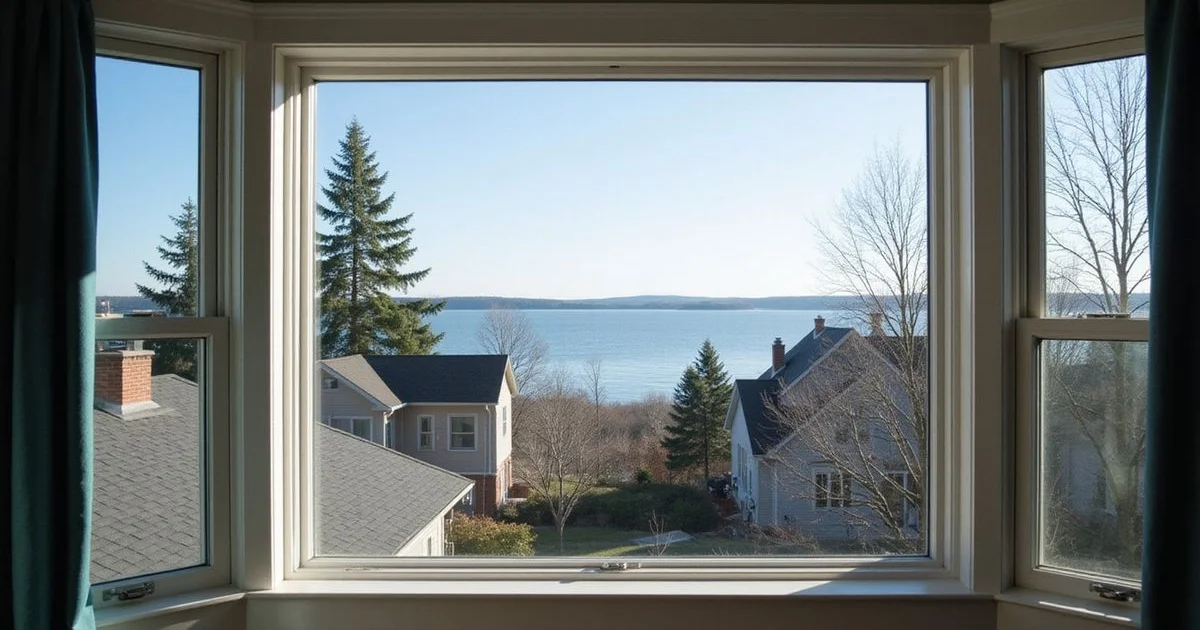
Lake and harbor views
The single biggest price driver in this market is proximity and sightlines to Lake Superior. Our data shows that the lake view premium duluth buyers pay can push East End homes well past the $500,000 mark. Inland properties typically sit closer to the $265,000 city median.
People willingly pay top dollar for the water, but the exact premium depends on a few specific details. Buyers consistently evaluate:
- Total water visibility. A sweeping, unobstructed view of the lake commands a much higher price than a tiny glimpse between two roofs.
- Prime viewing locations. Sightlines from main living spaces matter most, making a kitchen or living room view far more valuable than one from a guest bedroom.
- Long-term protection. Mature trees and future neighborhood construction projects can easily block a beautiful vantage point over time.
We see strong demand for harbor views in Lincoln Park and Central Hillside, alongside the massive premiums for big-lake views in the East End. The final value always comes down to the individual house. Comparing view homes strictly against other view homes is the only accurate way to price these unique properties.
Slope, lot and access
Our city features dramatic elevation changes, with whole neighborhoods stacked up the hillside above the water. Many older Duluth properties sit on steep lots that builders originally blasted out of solid rock. This rugged geography creates specific challenges and opportunities that directly impact property value.
Slope affects local home prices in three distinct ways:
- Year-round access. Steep driveways and long outdoor staircases intimidate some buyers, especially when winter ice hits.
- Usable outdoor space. A flat, functional backyard is surprisingly rare on the hillside and serves as a major selling point.
- Structural integrity. Retaining walls and proper grading must be in excellent condition to handle heavy spring snowmelt.
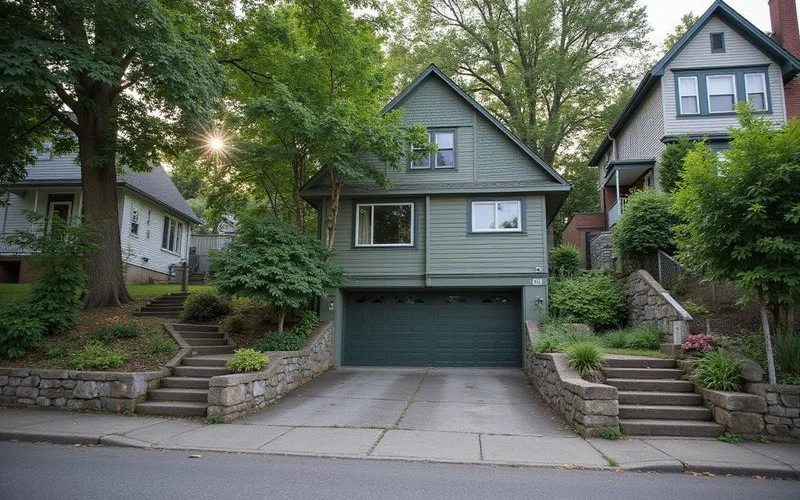
Flatter lots in places like Duluth Heights appeal heavily to downsizers and families. We notice that dramatic hillside lots attract buyers who prioritize sweeping views and accept the daily stair climbs.
Age and condition
More than 43% of the homes in Duluth were built before 1940 (Maxfield study, 2025). Our team never considers age alone as a negative factor. Many buyers actively hunt for original woodwork and historic character, meaning condition is what actually moves the needle on price.
Essential Systems and Updates
The most profitable historic homes feature modernized infrastructure hiding behind classic architecture. Buyers heavily prioritize:
- Mechanical systems: Updated electrical panels, modern heating, reliable plumbing, and newer roofs offer peace of mind.
- Dry basements: A solid foundation with no history of water intrusion is a massive asset in this hilly environment.
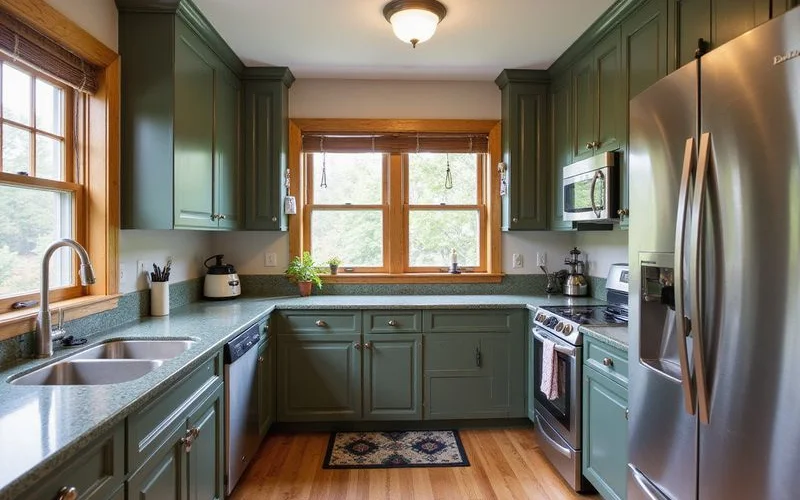
- Modern finishes: High-quality kitchen and bathroom renovations yield excellent market returns.
The Impact of Known Issues
We pay close attention to specific older home liabilities that frequently scare buyers away. The City of Duluth is actively running a Free Lead Service Line Replacement Program using state and federal funds. Homes legally documented as having copper pipes sell much faster than properties with unknown or lead status.
Active knob-and-tube wiring requires expensive remediation and often creates immediate insurance hurdles for new buyers.
What buyers actually pay for
Buyers pay most for condition they can trust. A home with records for its roof, furnace and sewer work often beats a prettier home with question marks.
School areas
Duluth Public Schools (ISD 709) operates two main high schools, and these attendance boundaries strictly shape neighborhood demand. We track the duluth east denfeld home values closely, noting a clear price divide. Homes zoned for East High often sell for a premium due to area demographics, while properties in the Denfeld attendance area on the west side offer more entry-level pricing around a $241,000 median in 2026.
Neighboring Districts
Families also look closely at the independent school districts just outside the city limits.
- Hermantown: This suburb attracts buyers looking for newer construction and a distinct community feel, with median prices often ranging from $220,000 to $380,000.
- Proctor: The Proctor district offers another popular alternative for families who want to stay close to Duluth but prefer a smaller school system.
Our real estate market relies heavily on school boundaries to define buyer pools. This makes district zoning a critical factor in your overall valuation.
Garages and parking
This region receives an average of 86 inches of snow every winter, making covered parking an incredible asset. Many of the older streets in Duluth simply lack the space for driveways, leaving homeowners reliant on street parking.
Our buyers immediately prioritize properties with a garage, especially an attached one, during a freezing January house hunt. Off-street parking pads also command a strong premium on the steeper, narrower hillside streets. People will happily pay extra to avoid digging their cars out of a snowbank on a busy public road.
Neighborhood and location
Specific neighborhood reputation is one of the most powerful duluth home value factors in the current market. We analyze 2026 local sales data to identify clear pricing tiers across the city based on location and amenities.
| Neighborhood | Typical Market Position | Key Features |
|---|---|---|
| Congdon Park | Premium ($300K - $700K+) | Historic estates, large lots, top-tier values |
| Park Point | Premium | Exclusive lake and bay water frontage |
| Lakeside / Lester Park | Mid-to-High Tier | Mix of lakefront homes and quiet family streets |
| Lincoln Park / West Duluth | Entry-Level ($130K - $220K) | More affordable options, growing commercial district |
Location within a specific neighborhood also plays a huge role. Our agents know that a house on a quiet, walkable street will always command a higher price than an identical property sitting on a busy arterial road.
What about square footage and price per foot?
The local market sees an average price per square foot hovering around $183, but that number fluctuates wildly. We view price per square foot as a helpful baseline, but in Duluth, it rarely tells the whole story.
A tiny 900-square-foot cottage with an unobstructed Lake Superior view will easily outprice a 2,500-square-foot house tucked away in a valley. Pricing a home solely on its size is a guaranteed way to leave money on the table or scare away potential buyers.
Why online estimates struggle here
Automated valuation models rely almost entirely on public tax records, pulling data on bedrooms, bathrooms, and lot size. They completely fail to account for the unique topography and condition of the local housing stock.
An algorithm cannot see your sweeping harbor view, your newly installed copper water lines, or your perfectly dry basement. Our Zestimate vs. CMA guide explains exactly why these national websites consistently misprice homes in this area.
A physical walkthrough provides a much clearer picture. We will build a written Comparative Market Analysis to show you exactly how your specific features translate into real market value.
This guide is general information about selling a home in Duluth and Minnesota. It is not legal or tax advice. Rules and fees change, so confirm details with the City of Duluth, your county, your title company, an attorney or a tax professional as needed.