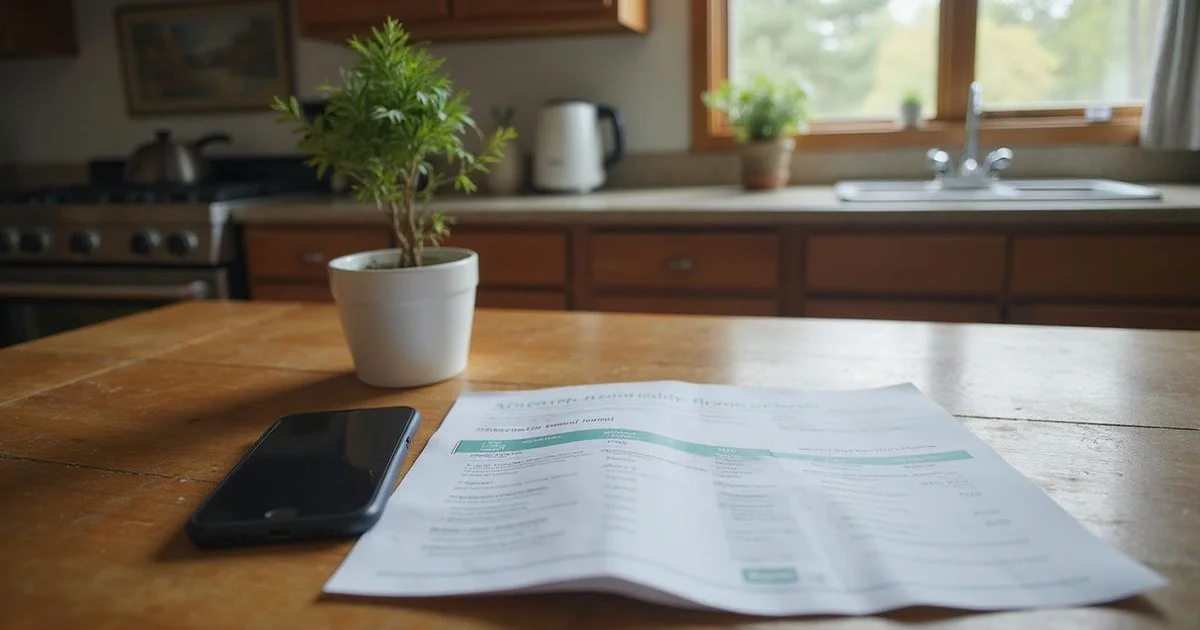
How accurate is Zestimate data for Duluth homes?
We constantly talk with homeowners who assume their Zillow estimate is an exact, final price tag. Anyone asking how accurate is zestimate data will quickly realize the gap between generic algorithms and specific local context. A direct comparison of a zestimate vs cma shows why a computer algorithm often falls short.
Our professional service team recently analyzed the market and found that automated tools struggle immensely with the unique charm of older properties. Getting a written CMA from a local agent fills in the critical details that an automated valuation model simply cannot see.
Let’s review the 2026 data on valuation accuracy and walk through exactly how to determine the true value of your property.
We always warn clients that relying on an online estimate can lead to a massive financial mistake. The 2026 accuracy data published by Zillow reveals a median error rate of 7.5 percent for off-market properties. For a typical $310,000 house in this area, that percentage translates to a pricing error of over $23,000.
Our team considers this margin of error far too high for anyone serious about maximizing their equity. The algorithm simply lacks the localized knowledge required to evaluate properties where every single block looks entirely different. An automated valuation model relies strictly on public tax records and past sales data.
How do online estimates work?
We tell sellers that these systems just run basic math on square footage, bedrooms, and lot sizes. Some platforms attempt to factor in basic listing data and owner-reported cosmetic updates. What the computer model absolutely cannot do is walk through the actual living space.
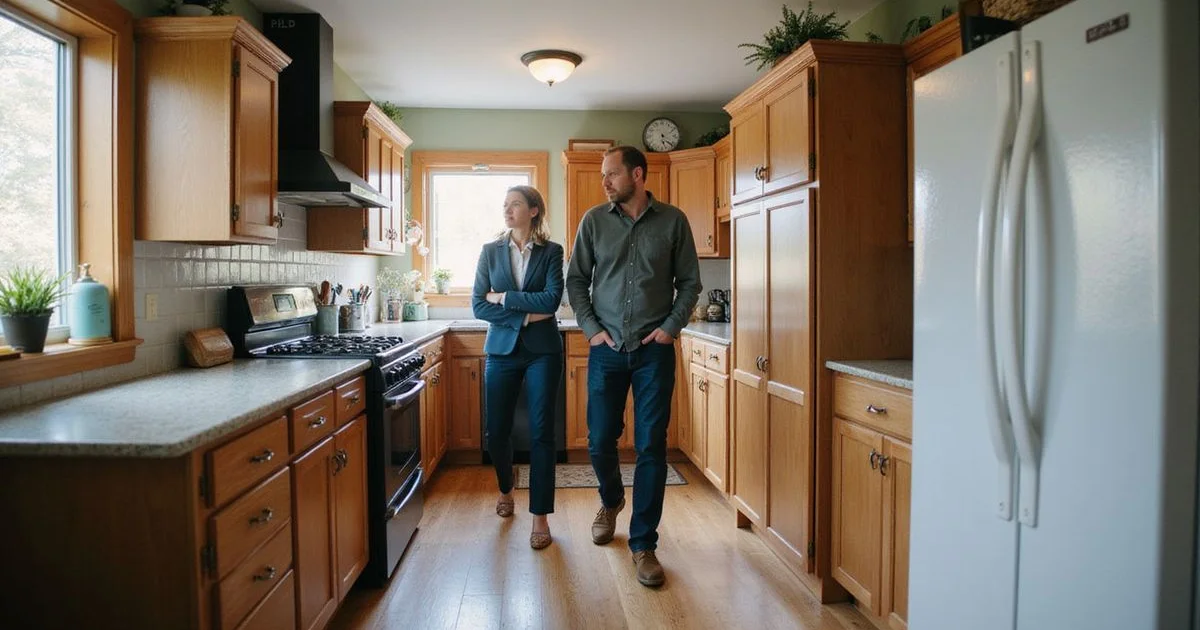
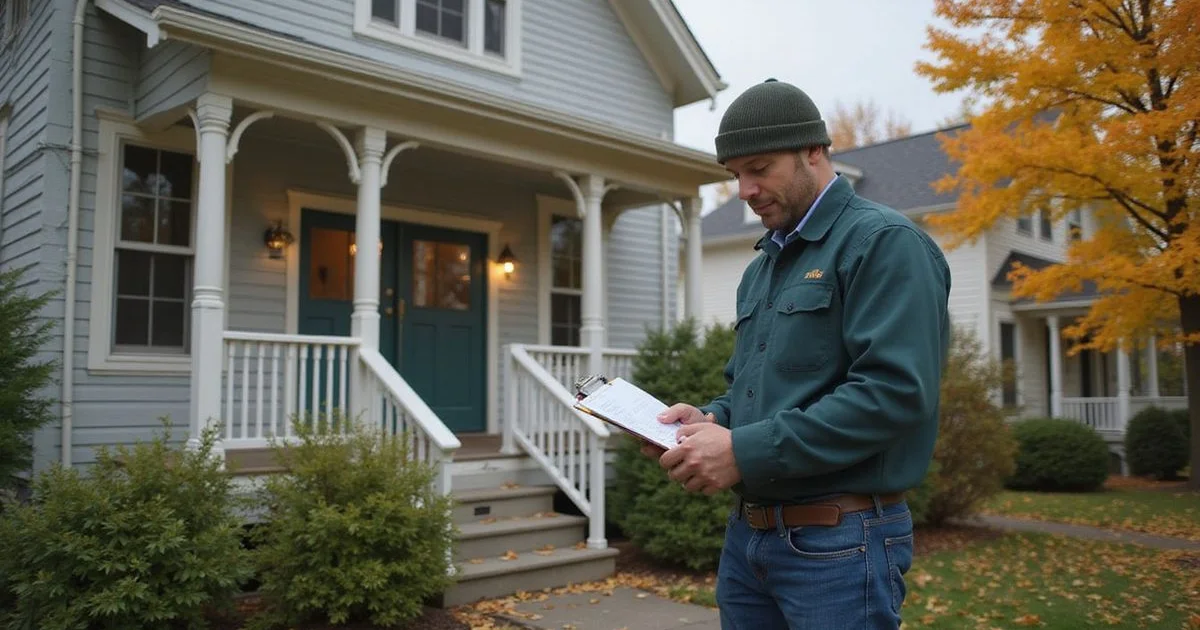
Our main concern is that it never sees the new furnace, the wet basement, or the custom staircase leading up from the street. A comparative market analysis duluth agents provide is a comprehensive, written study of property value. The entire process begins with an in-person, detailed walkthrough.
How does a CMA work?
We use this inspection to find comparable sales that truly match the property and adjust the numbers based on actual, physical differences.

| Feature | Online estimate (AVM) | Written CMA |
|---|---|---|
| Sees inside the property | No | Yes, via physical walkthrough |
| Factors in 2026 market condition | Outdated tax data | Real-time market analysis |
| Accounts for views and slope | Rarely | Yes, with matched comps |
| Chooses comparable sales | Automated algorithm | Agent, with reasons shown |
| Transparent reasoning | No | Yes, details every adjustment |
| Includes a seller net sheet | No | Yes |
| Upfront Cost | Free | Free with Ryan, no obligation |
This direct comparison highlights exactly where automated systems fail to capture real-world value. A computer simply cannot replace the detailed eye of a local professional. Our experts rely on tangible evidence rather than a blind algorithm to set a competitive price.
Why do online values miss in Duluth?
Local geography and history create a perfect storm that trips up standard pricing algorithms. Here are the specific local details that completely confuse a computer model:
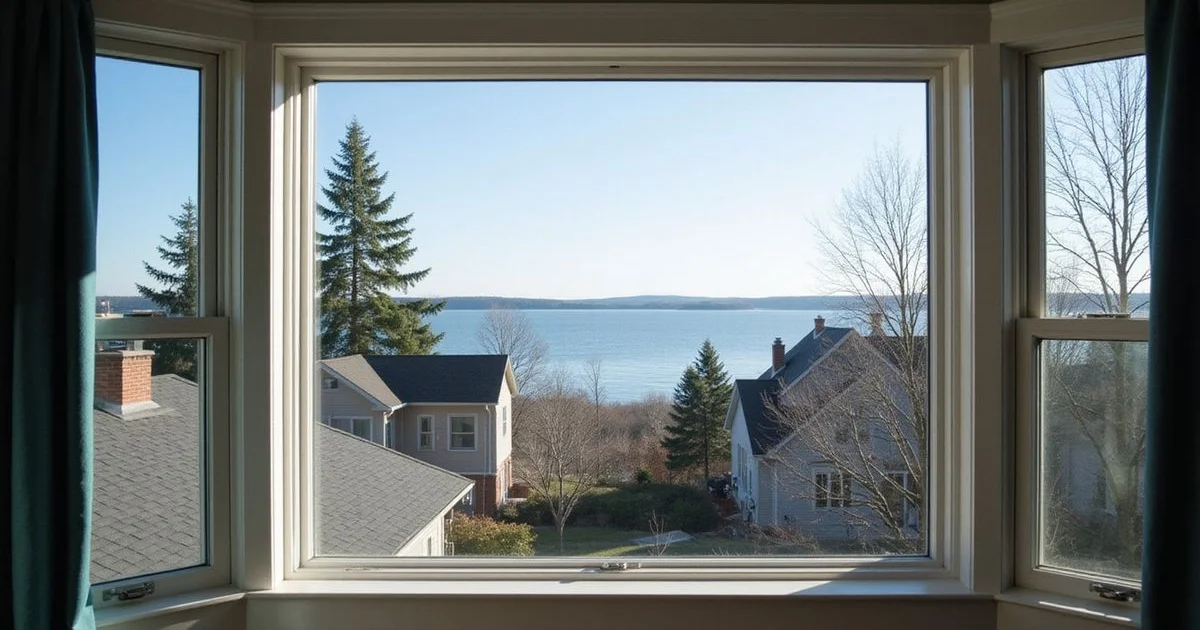
- Lake and harbor views. We frequently see two homes on the exact same street feature vastly different sightlines. These views drastically change the final price, as detailed in the guide on what drives home values in Duluth.
- Slope and street access. A steep lot with forty stairs and a completely flat lot with a paved driveway appear identical on public tax records.
- Age and physical condition. Our team regularly deals with century-old properties built long before modern building codes. The 2025 Comprehensive Housing Needs Analysis by Maxfield Research confirms that 43 percent of local homes were built before 1940.
- Hidden garage spaces. Public documents frequently fail to show a detached garage that is tucked tightly into a hillside.
- Scarcity of true comps. We also struggle to find true comparable sales in neighborhoods like Park Point because they experience far fewer monthly transactions.
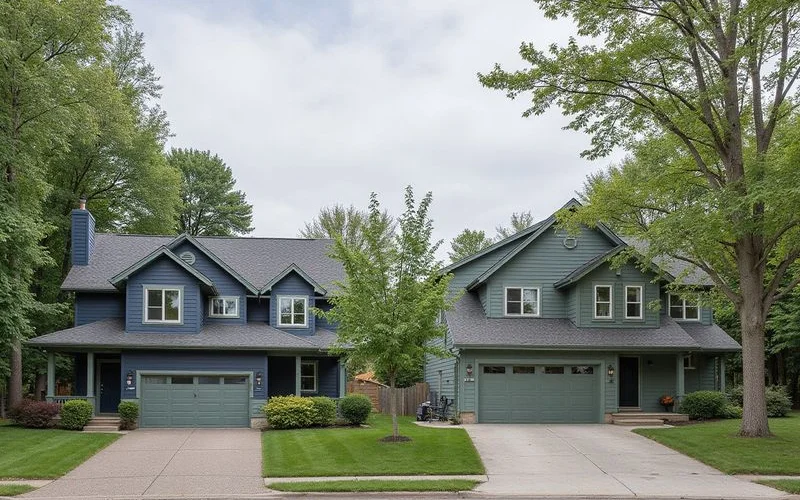
Algorithms simply cannot adjust for these massive variations in quality and location. Online figures can occasionally serve as a reasonable baseline under very specific conditions.
When is an online number a fair starting point?
- Our agents agree that an automated price is useful if a property perfectly matches the surrounding neighborhood.
- The tool works best when there are dozens of recent, highly similar sales nearby.
- It also functions fairly well if the property is in completely average condition with zero major updates or glaring problems.
We often suggest using these digital tools solely to track broad market trends over time, rather than to set a strict listing price.
What about the county’s value?
The St. Louis County Assessor’s estimated market value (EMV) is calculated strictly for property taxes. This number is set on a rigid schedule and almost always lags behind the current market. We remind sellers that it is definitely not a reflection of what actual buyers will pay.
What about a broker price opinion?
A broker price opinion, or BPO, is a rapid estimate frequently ordered by a lender for quick risk assessment. This evaluation is more localized than a computer algorithm but usually happens entirely from the curb.
We rarely suggest relying on a BPO because it skips the interior inspection and lacks a detailed net sheet. A full, formal comparative market analysis goes significantly further to protect the homeowner’s equity. A careful, deep dive into the local market data is the only way to ensure no value is missed.
So which number should I trust?
We tell anyone asking how accurate is zestimate data to trust the valuation method that completely shows its mathematical work. A standard CMA lists every comparable sale and explains every single financial adjustment.
This document clearly shows exactly what a seller will keep after all transaction costs are paid. Our team recommends verifying the data, questioning the adjustments, and sharing the report with anyone involved in the decision.
If an online estimate and a professional analysis disagree, a local agent can explain the difference in plain terms. Getting the price right from the very beginning is the easiest way to secure a successful sale.
This guide is general information about selling a home in Duluth and Minnesota. It is not legal or tax advice. Rules and fees change, so confirm details with the City of Duluth, your county, your title company, an attorney or a tax professional as needed.